






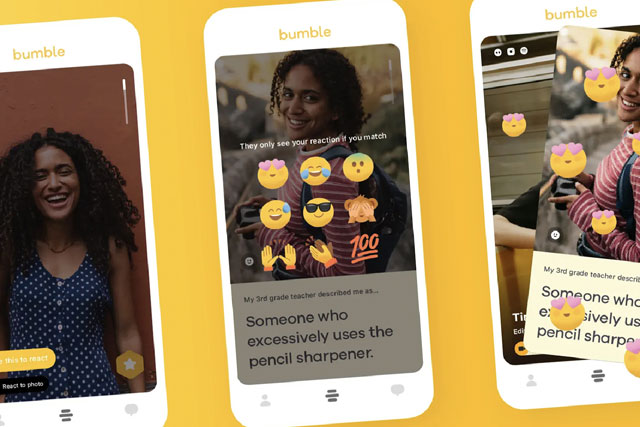
In the rapidly evolving digital age, the way we connect with others has undergone a major transformation. One standout platform leading this change is Bumble, which goes beyond traditional dating apps by fostering respectful communication, empowering women, and creating genuine opportunities for connection. Launched in 2014 by Whitney Wolfe Herd, a former Tinder executive, Bumble set itself apart by introducing an innovative concept—only women can initiate conversations in heterosexual matches. This single design decision revolutionized digital dating culture and helped redefine modern social norms.
Empowering Women and Enhancing Online Safety
Bumble's foundational goal is to cultivate an environment where respectful communication thrives. By shifting the power of initiating contact to women, the app successfully reduces unsolicited and offensive messages, setting a new standard for digital interactions. This approach stood in stark contrast to many other dating platforms at the time, where aggressive outreach was often normalized. Bumble's focus on civility and consent helped it gain rapid traction and build a strong global user base.
For users looking to stand out or show genuine interest in others, it's common to top up Bumble Spotlight, SuperSwipes, and Compliments via platforms like Z2U.com, enhancing visibility and meaningful engagement.

More Than Just Dating: Expanding Social Opportunities
While Bumble initially started as a dating-focused app, it has grown into a multi-functional platform. Features like Bumble BFF and Bumble Bizz enable users to find not only romantic matches but also new friendships and professional connections. This evolution reflects Bumble's broader mission: to help people form real and valuable relationships in all areas of life. Whether you're moving to a new city, networking in your industry, or simply expanding your social circle, Bumble provides versatile tools for meaningful interaction.
Promoting Leadership and Gender Equity
One of Bumble's defining qualities is its commitment to gender equality—not just through app mechanics but also in its leadership. In 2021, Whitney Wolfe Herd made headlines as the youngest self-made woman to take a company public, becoming a role model for aspiring female entrepreneurs. Her leadership continues to steer Bumble toward inclusivity, transparency, and ethical innovation, setting a positive example within the tech industry.
Committed to User Security
User protection is one of Bumble's top priorities. The platform integrates several safety-oriented features, such as photo verification, AI-based content moderation, and user-friendly reporting tools. These initiatives aim to provide a safer online space and reduce risks associated with harassment or fake profiles. Bumble also actively supports broader social issues, advocating for stronger anti-cyberbullying laws and promoting digital accountability.
Balancing Innovation with User Feedback
Like any widely used platform, Bumble isn't without its challenges. Some users feel the responsibility placed on women to start conversations may not appeal to everyone, while others raise concerns about how algorithms and looks can affect match results. Despite these hurdles, Bumble's constant drive to improve and listen to user feedback helps maintain its relevance and integrity in a crowded market.
Conclusion
Bumble represents more than just a dating app—it's a movement toward more conscious and empowering digital relationships. By championing inclusivity, respect, and real connection, the platform has changed how people engage in the online space. For those wanting to unlock enhanced features, including premium filters and advanced tools, buy Bumble subscription from Z2U is a popular and convenient option.
As technology continues to influence how we interact, Bumble's focus on empathy, trust, and empowerment ensures that digital platforms remain not just functional—but genuinely human-centered.









UNTERSTÜTZUNG
LEGAL






 USD ($)
 Deutsch
  Hilfe Center