





Embarking on your NASCAR 25 journey is an exhilarating experience. The roar of the engines and the thrill of high-speed competition await, but knowing where to begin is crucial for any rookie. While some may be tempted to Buy NASCAR 25 Account to jump ahead, building your skills from the ground up is far more rewarding. This guide will equip you with the fundamental knowledge to start your adventure on the right track.
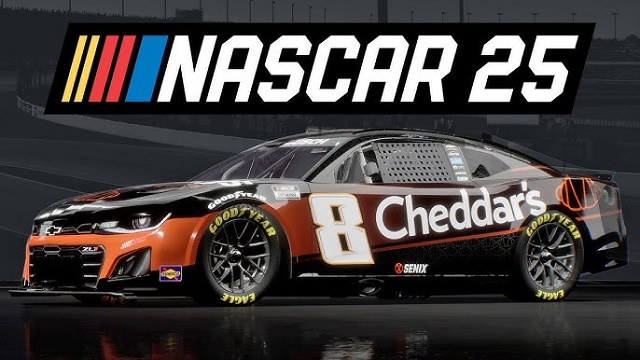
What Do You Need to Do Before You Even Start Your Engine?
1.Selecting Your Ideal Game Mode and Settings
Before hitting the track, take time to configure your experience. Begin with Quick Race mode, which provides a risk-free environment to learn car handling and track layouts without championship pressure. Adjust the driving assists to match your skill level; enabling anti-lock brakes and traction control initially can help you maintain control while learning the physics. Gradually reduce these assists as you become more comfortable with the vehicle's behavior and track dynamics.
2.Understanding Vehicle Selection and Basic Setup
Your choice of vehicle significantly impacts your initial experience. Avoid selecting cars based solely on top speed statistics. Instead, prioritize vehicles with balanced handling characteristics and predictable behavior. Visit the garage menu to make basic adjustments to your setup, though as a beginner, it's wise to stick with balanced preset configurations. Focus on understanding how tire pressure affects grip and how aerodynamic adjustments influence stability before experimenting with advanced setups.
3.Mastering the Pre-Race Preparation Phase
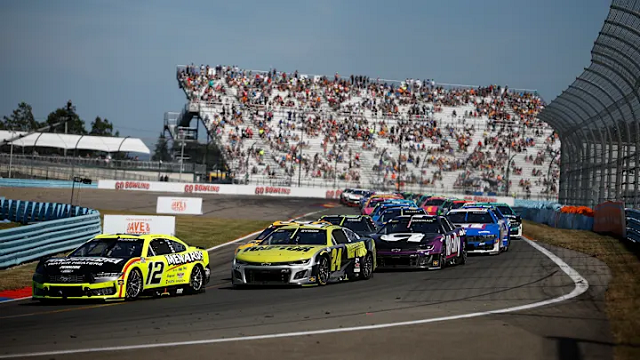
Successful racing begins before the green flag waves. Use practice sessions to learn track layouts, identify braking points, and understand racing lines. Study the track's unique characteristics, including banking angles and trouble spots where other drivers commonly make mistakes. Familiarize yourself with the control scheme and camera options to find what feels most natural for your driving style.
How Do You Survive and Thrive on Your First Track?
When the race begins, your primary objective should be consistency rather than aggression. Focus on maintaining a smooth racing line, particularly through corners where most beginners struggle. Enter turns high, hit the apex correctly, and exit wide to maintain momentum. Keep your car stable and avoid sudden steering inputs that could lead to loss of control. Remember that finishing the race cleanly is an achievement in itself for your initial outings.
Understanding race dynamics is crucial for progression. Learn to recognize drafting opportunities by tucking behind other cars on straightaways to gain speed advantages. Pay close attention to flag signals, as yellow flags indicate caution periods requiring reduced speed, while blue flags signal faster cars approaching. Develop spatial awareness to avoid collisions and learn to anticipate other drivers' moves rather than simply reacting to them.
What are the Key Strategies to Climb the Ranks?
1.Implementing Smart Race Management Techniques
Advanced success in NASCAR 25 requires strategic thinking beyond simply driving fast. Learn to manage your resources throughout the race, including tire wear and fuel consumption. Sometimes, maintaining a consistent pace rather than pushing to the limit every lap can yield better results. Monitor your competitors' strategies and adapt accordingly, preserving your equipment for crucial moments when you need to push for position.
2.Mastering Pit Stop Strategy and Execution
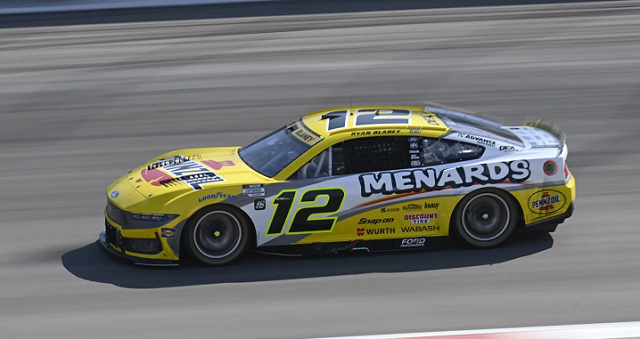
Pit stops often determine race outcomes. Develop an understanding of when to pit based on tire wear and fuel levels. Under yellow flag conditions, analyze whether taking two tires for track position or four tires for better performance benefits your situation more. Practice entering and exiting the pit lane efficiently, as every second counts. Coordinate with your crew chief to make informed decisions about adjustments needed during pit stops.
3.Developing Adaptable Race Craft
The ability to adapt to changing track conditions and race situations separates good drivers from great ones. Learn to adjust your driving style as tire wear affects handling or when track temperature changes alter grip levels. Study how to defend your position effectively without violating racing rules, and identify the best overtaking opportunities based on your car's strengths and your opponents' weaknesses.
Building a successful career in NASCAR 25 requires patience, practice, and strategic thinking. Focus on gradual improvement rather than immediate victory, learning from each race experience to refine your skills. The satisfaction of progressing through legitimate effort and dedication far outweighs any temporary advantage gained from shortcuts. Remember that true mastery comes from understanding the nuances of the sport, not from seeking a Cheap NASCAR 25 Account to bypass the learning process.









UNTERSTÜTZUNG
LEGAL






 USD ($)
 Deutsch
  Hilfe Center