





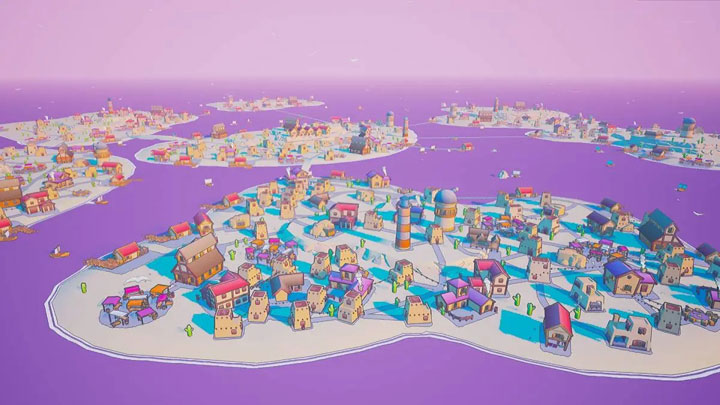
Town-building and city management sims can often feel overwhelming, especially when players are forced to juggle multiple systems, resources, and population needs. Tranquil Isle takes a gentler approach, offering a simplified and relaxing version of the genre. It doesn't push players to reach complex goals or punish small missteps. Instead, it encourages casual play where creativity and low-pressure development take center stage.
Two Modes, Two Approaches
Fundamentally, Tranquil Isle is not so much a goal-driven simulator as it is a sandbox. There's no overarching narrative or storyline to follow. You start by choosing between two modes: Classic and Sandbox. From there, you select the size of the area you want to build on and pick an environmental theme. The main objective is to place buildings, earn points, and gradually expand your settlement.
For players looking to get started quickly without grinding for unlocks, Tranquil Isle accounts for sale at Z2U.com can be a convenient way to jump into the game with some progress already made.
Milestone Progression in Classic Mode
The Classic mode assigns a point-based advancement system, which introduces light strategy. As you place buildings and accrue points, you'll hit specific milestones. Reaching one gives you choices for what to unlock next—be it residential homes, resource-focused buildings like farms or foragers, or more land.
An early milestone might offer you the choice between three five-point houses and two foragers worth 14 points each, or another set of buildings with a different combination of values. These decisions shape how you'll grow the town and what strategy you'll follow.
The Importance of Strategic Placement
However, the scoring isn't just about building quantity. Placement matters significantly. Each building has a defined influence area, which can grant bonuses or penalties depending on what's nearby.
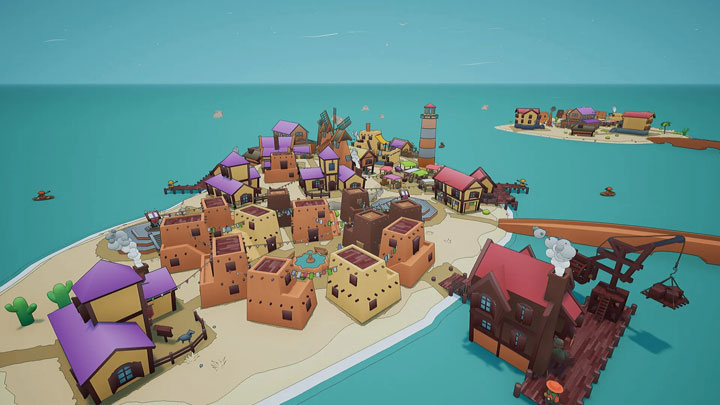
For instance, clustering similar buildings may trigger diminishing returns, while mixing compatible structures can create positive buffs. The game shows potential score changes before you finalize a placement, so there's a layer of tactical planning, especially in Classic mode. This means thinking in terms of zoning—like where to place residential, industrial, and communal spaces—even early on.
Sandbox Mode: Complete Creative Freedom
One important limitation in Classic mode is the inability to remove placed buildings. That increases the pressure to plan carefully. By contrast, Sandbox mode offers total freedom. You're not bound by point goals or restrictions and can delete, move, and build however you like.
For those who enjoy a stress-free experience, this mode delivers complete creative control. If things get tough in Classic mode, you can also save your progress and reopen the same island in Sandbox mode, continuing your build in a more relaxed format.
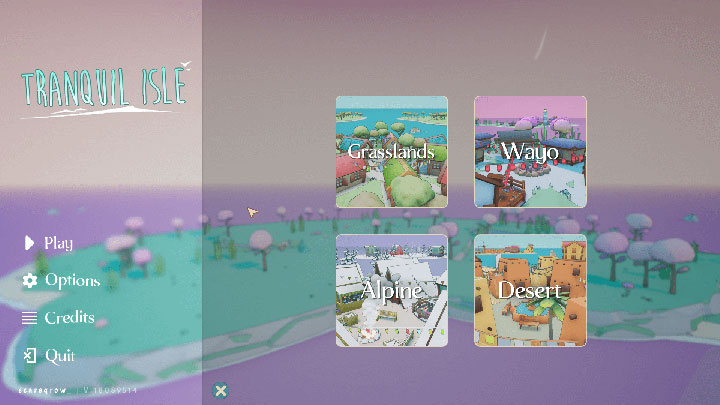
Visuals and Presentation: Calm, But Lacking Depth
Despite its ease of play and cozy mechanics, Tranquil Isle doesn't do much to set itself apart visually. The number of available themes is quite limited, and customization options for buildings are relatively minor—usually just aesthetic tweaks like roof color changes.
Since optimal gameplay often involves zooming out, it's hard to appreciate these minor visual differences. Zooming in reveals some basic animations, like small people and animals wandering about, but the overall art direction lacks the distinctiveness seen in some other titles in the genre.
Conclusion
Overall, Tranquil Isle is successful in providing a serene, stress-free town-building experience. It's easy to pick up and enjoyable for players looking to build without being bogged down by micromanagement or tough challenges. If you like the peaceful and modest features of this game, you can come to Z2U to buy Tranquil Isle account at cheap price and start a different building experience.
However, while the game runs smoothly and offers a nice way to unwind, its relatively simple design and lack of standout features may keep it from becoming a standout favorite among fans of the genre.









ПОДДЕРЖКА
ЮРИДИЧЕСКИЙ






 USD ($)
 English
  центр помощи