






Diving into Mecha Break for the first time can feel overwhelming. The game throws you into high-speed mech battles where you're expected to pilot massive machines, manage energy, and coordinate with teammates—all while trying to stay alive. To help beginners ease into the action and avoid early frustration, we've compiled seven essential tips to understand the fundamentals and start winning more matches. Top up Mecha Break Corite on Z2U is also a reliable way to make your gaming experience more interesting.
1. Choose a Mech That Fits Your Playstyle
Instead of picking a mech because it's popular or ranked highly on tier lists, focus on finding one that matches how you like to fight. Each mech in Mecha Break offers distinct playstyles. Some are built for fast, agile skirmishing with a balance of ranged and melee attacks—Alysnes is a good example. Others are designed as Ultra-Heavy machines that take punishment while holding the frontline.
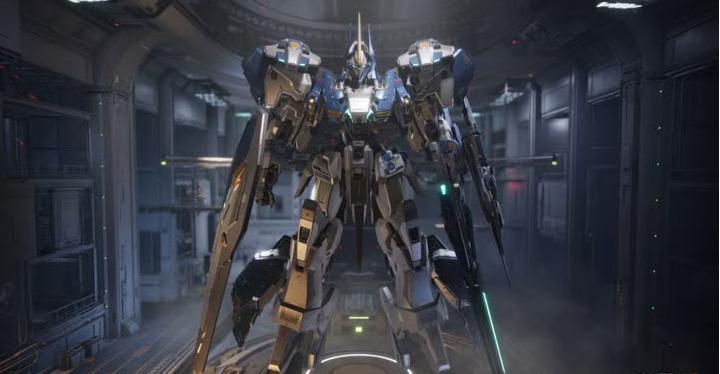
There are offensive strikers, defensive tanks, and supportive units across different weight classes. The best way to discover what feels right is by experimenting. Collecting Corite early on will unlock more mechs to test, helping you pinpoint your ideal combat role.
2. Manage Your Engines Efficiently
New players often burn through their thruster energy too quickly, leaving themselves unable to dodge or reposition during fights. Thrusters shouldn't be spammed. Instead, use steady forward thrust when traveling long distances and keep some reserve energy for emergencies.
Running into an opponent with depleted engines is a recipe for disaster, as you'll lack the mobility to escape or launch an effective counterattack. Developing good energy habits early on will make your mech feel faster and more responsive in battle.
3. Learn the Different Combat Roles

Understanding the five main roles in Mecha Break helps you not only pick a mech but also know what's expected of you during matches:
●Attackers: Balanced fighters, strong at both melee and ranged combat.
●Brawlers: Aggressive melee specialists who pressure enemies up close.
●Defenders: Protective mechs that shield allies and rack up assists.
●Snipers: Long-range specialists who stay out of the main fray.
●Support: Utility-focused machines that heal or rescue teammates.
Some roles offer flexibility while others are more specialized. Knowing these distinctions allows you to synergize with your team and fulfill crucial battlefield functions.
4. Understand Weight Classes
Weight determines more than just size—it directly impacts mobility and survivability:
●Light mechs: Highly agile with fast energy recovery, ideal for hit-and-run tactics.
●Medium mechs: A balanced middle ground between speed and durability.
●Heavy mechs: Slower but capable of withstanding sustained damage.
●Ultra-Heavy mechs: Tank-like fortresses that dominate the frontline.
These weight categories aren't tied to specific roles, giving you freedom to mix and match strategies. For instance, you might choose a Light Support unit to zip around aiding teammates, or an Ultra-Heavy Attacker to bully enemies in close combat.
5. Master Shields and Health Management
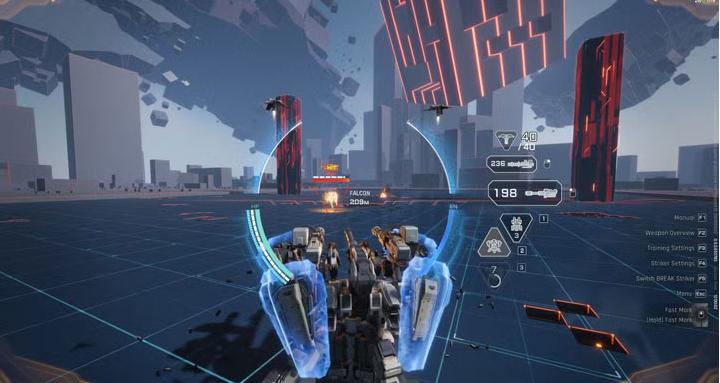
Your mech has two key defenses: shields (white bar) and health/armor (red bar). Some weapons are better at breaking shields, while others excel at shredding health once shields are down. Melee attacks often bypass shields entirely, dealing direct health damage.
Team coordination can be a game-changer here. Pairing a shield-breaking ally with a high-damage finisher allows you to dismantle tougher opponents quickly. Understanding these mechanics lets you adapt your loadout to exploit enemy weaknesses.
6. Team Up with Friends for Better Results
Although you can solo-queue with random teammates, playing with friends dramatically improves your chances of success. Coordinated squads using voice chat can execute strategies, cover each other's weaknesses, and communicate enemy positions—advantages that random matchmaking rarely provides.
Victories often come down to teamwork rather than individual skill. A well-coordinated unit can outperform even mechanically skilled opponents, turning close matches into decisive wins. Looking to quickly build up resources to better support your team? it's also possible to buy Mecha Break Corite at Z2U.com, giving you access to stronger mechs and loadouts without extended grinding.
7. Practice, Experiment, and Adapt
The final tip is simple: give yourself time to learn. Mecha Break is designed with layers of strategy that only become clear after experimenting with different mechs, roles, and weapons. Practice conserving energy, test various weight classes, and pay attention to how your team composition interacts with opponents.
With patience and willingness to adapt, you'll naturally develop the reflexes and decision-making needed to thrive in large-scale mech battles.
Conclusion
Mecha Break combines fast-paced action with deep tactical choices, making it one of the most exciting mech games in recent years. By selecting mechs that fit your style, managing engines, understanding roles and defenses, and prioritizing teamwork, new players can dramatically shorten the learning curve. Stick with these fundamentals, and you'll quickly transition from overwhelmed beginner to confident pilot, ready to dominate the battlefield.









APOYO
LEGAL






 USD ($)
 Español
  Centro de ayuda