


Hell Clock


Hell Clock is a challenging action RPG that blends roguelite elements with intense time pressure. Every floor is a race against a ticking clock, where randomized loot, skills, and passive buffs shape your journey. Because each run offers different upgrades and limited time to act, new players can easily feel overwhelmed.
To help you adapt quickly and survive longer, we've gathered fundamental strategies. These tips cover everything from early resource farming to refining your build mid-run, ensuring you make smarter choices and progress deeper into the clock.
Revisit Early Floors to Strengthen Your Character
If advancing deeper feels too punishing, focus on replaying Act One to gather more Relics and Soul Stones before pushing further. Early areas contain chests full of gold and trinkets, while elite enemies—marked as glowing red dots on the map—drop soul stones and gear pieces.
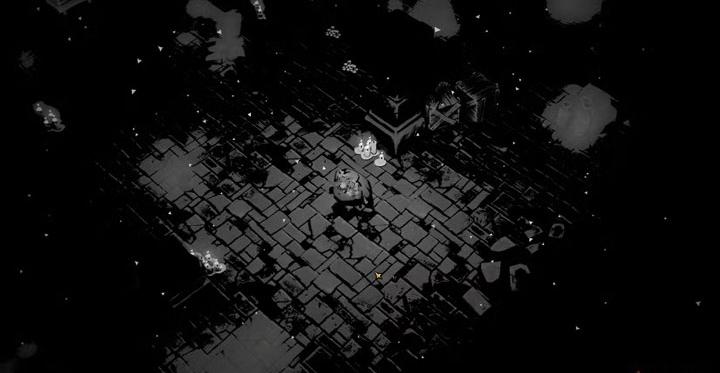
Soul Stones serve as a premium currency to purchase equipment, skills, relics, and permanent buffs at the Great Bell (unlocked early on). The more you collect, the more upgrades you can invest in, giving your character a stronger baseline for future attempts.
Repeatedly clearing early floors and defeating mini-bosses provides essential Relics that influence your build, while accumulated Soul Stones unlock lasting enhancements. This approach prepares you to face later acts with a solid foundation. For those who want a head start without grinding early stages repeatedly, there are cheap Hell Clock accounts for sale at Z2U.com, offering access to powerful builds and progress-boosting unlocks right away.
Use Relics Even Without Their Linked Skills
Relics provide immediate passive stat bonuses once equipped, regardless of whether you've unlocked their matching active skills. Visit the Reliquary between runs to slot Relics and start each descent with better stats.
Experiment with different Relic combinations to discover powerful synergies. Timing and order matter—certain relic setups significantly boost survivability or damage. Relics can also be upgraded in the Reliquary using Soul Stones, adding more power to your kit. Spend these wisely to gradually create stronger builds over multiple runs.
Limit Your Skills to Level Up More Efficiently
Hell Clock doesn't force you to fill every ability slot. In fact, concentrating on two or three well-chosen skills often produces better results. With fewer abilities equipped, upgrade drops are more likely to enhance your chosen core skills, letting you power them up faster.
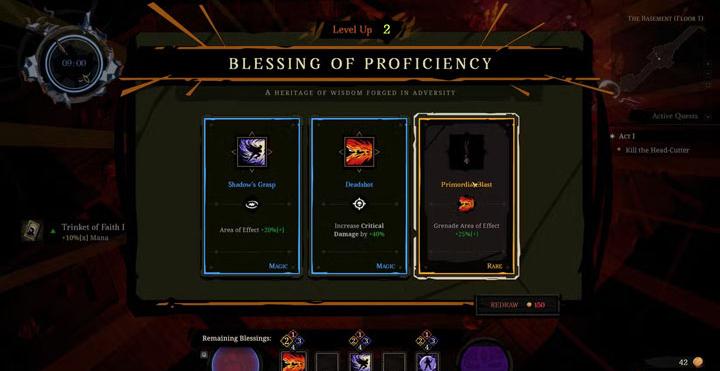
Each skill has restricted upgrade slots (Commons, Magic, Rares, Epics). Because higher-tier upgrades are scarce, spreading them too thin weakens your growth. Many skills also have global bonuses (e.g., Shadow Dash reducing mana costs), which scale better when invested heavily in fewer abilities.
To streamline progression:
1.Pick two or three skills that fit your preferred style (e.g., ranged damage plus mobility or support).
2.Leave unused slots empty unless you find relics that directly support new skills.
3.Regularly check your proficiency tab to track upgrade distribution.
Focused skill selection accelerates damage scaling, leading to stronger combinations and smoother advancement through later stages.
Adapt Your Build Based on Relic Loot
Relic drops often reshape how you should play. Some change elemental damage types, add explosive effects, or cut mana usage. Adjust your skill loadout to complement these traits—for example, a Fire Repeater Relic pairs well with crowd control abilities like Slow Time to spread fire damage widely.
Invest proficiency upgrades in whichever skill benefits most from your relic setup. Traits that stack with Relic bonuses maximize efficiency. If your loot favors defense, adjust accordingly—summon a Brute to absorb hits or use Closed Body for protective barriers. Matching skills to relic effects converts seemingly random drops into a cohesive, high-performing build.
Focus on Defense During Early Progression
Before chasing maximum damage, secure survivability. In early acts, even small percentages of damage reduction significantly boost your chances of surviving elite battles and boss encounters.
Defensive skills like Closed Body shield you with mana-based barriers, slow conviction loss, and retaliate when struck. Summon Brute distracts enemies by drawing their attacks away from you.
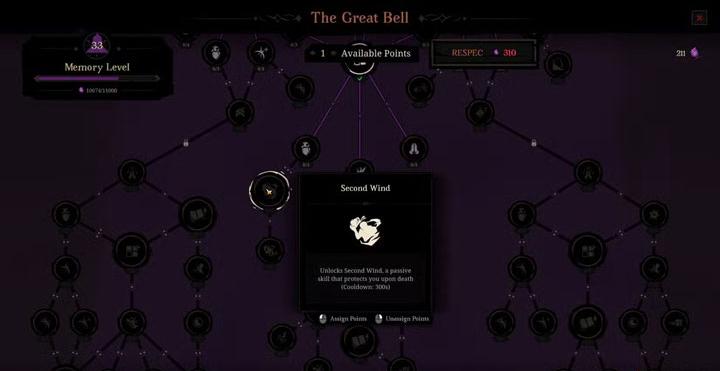
Prioritize relics that grant armor, shields, or damage reduction. When spending points at the Great Bell, look for:
●Base Life: Raises maximum HP for better endurance.
●Elemental Resistances: Adds incremental damage reduction for specific attack types.
●Second Wind: Grants a revival shield when you're about to die (long cooldown).
●Conviction Upgrades: Strengthens conviction mechanics and regeneration, synergizing with defensive abilities.
Unlocking these perks early adds reliable protection, letting you fight longer and more effectively. If you're short on time or want to jump straight into higher-tier content, you can also buy Hell Clock account options that already have key defensive upgrades unlocked.
Final Thoughts
Mastering Hell Clock takes more than quick reflexes—it requires thoughtful planning, adaptability, and smart resource management. By farming early acts, equipping relics strategically, focusing your skills, and adapting to what the game throws at you, you'll build a strong foundation for every run. With these core strategies, you'll be better prepared to dive deeper, survive longer, and eventually conquer the ever-ticking clock.









SOUTIEN
JURIDIQUE






 USD ($)
 Français
  Centre d'aide