






In Europa Universalis V, establishing a new nation often involves expanding your borders, but aggressive territorial claims can generate tension with neighboring powers. If a stronger nation seizes land from countries nearby, it naturally triggers concern not only in your country but also among the rulers of surrounding nations. Expansion is a core aspect of building a powerful state, yet it carries consequences. Every new territory you claim can negatively affect how others perceive your country, creating an antagonism that can complicate diplomacy and provoke retaliation.
Understanding Antagonism
Antagonism in EU5 is essentially a measure of how threatened or opposed other nations feel toward your country. It rises most noticeably when you take land from others. While acquiring territory is a normal part of establishing a successful nation, doing so at the expense of neighbors may anger them, along with their potential allies. Antagonism directly affects how other countries view and interact with you. As your score climbs, nations become less willing to negotiate or maintain alliances. Even your current allies may reconsider their partnerships if they are displeased with your aggressive expansion, which could reduce access to trade, limit diplomatic options, and weaken your overall influence.
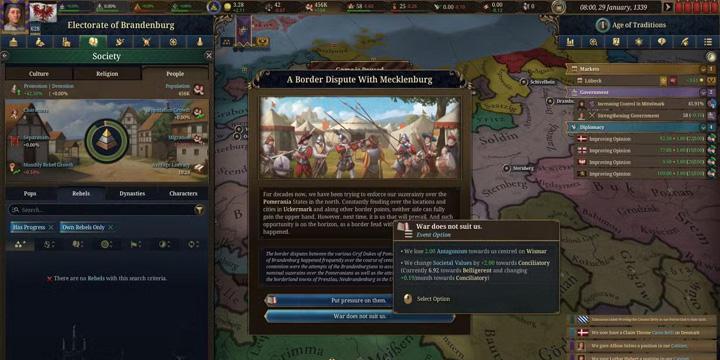
Additionally, antagonism can increase through other means, such as declaring rivals. Each time you openly designate another nation as a rival, not only does that country view you more negatively, but other countries also take notice of your confrontational stance on the global stage. In fact, for new players or those wanting a head start, there are Europa Universalis V accounts for sale at cheap prices on Z2U, which can help you start play this game without waiting more time.
Coalitions: The Consequence of Aggression
One of the most significant risks of high antagonism is the formation of coalitions. When multiple nearby countries perceive you as a threat, especially if your antagonism with them reaches around 50, they may band together to counter your expansion. Shared culture and religion often strengthen these coalitions, meaning nations with similar beliefs to the target of your aggression are more likely to unite against you. For instance, if you attack a predominantly Catholic state, other nearby Catholic countries may rally in defense.
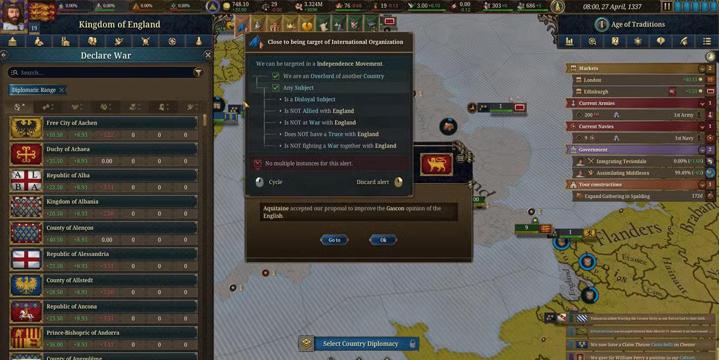
Coalitions are typically defensive, but they can dramatically hinder your expansion plans. Neighboring countries, often powerful, can quickly assemble forces to protect coalition members. Engaging in warfare against a coalition can escalate minor conflicts into large-scale battles, making careful strategic planning essential. Avoiding unnecessary provocations and choosing your wars carefully is crucial to maintaining long-term stability.
Strategies for Reducing Antagonism
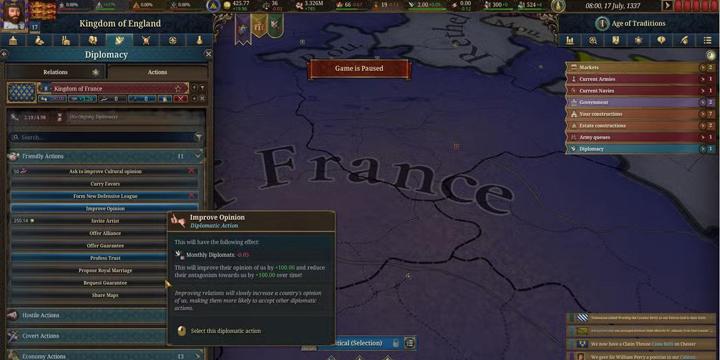
Lowering antagonism requires repairing your diplomatic reputation and improving relations with other nations. Avoid targeting countries that already view you unfavorably, as further aggression will worsen your global standing. One of the most effective methods for reducing antagonism is to send diplomats to nations that see you as a threat. Diplomats work to improve relations, boosting your opinion rating in those countries and gradually lowering antagonism.
Another way to mitigate tension is by developing and stabilizing newly acquired territories. Demonstrating effective governance, infrastructure improvements, and overall development in your expansion regions signals to other nations that your intentions are constructive rather than purely aggressive. This can gradually reduce concerns about your leadership and policies. Additionally, managing and dismissing ongoing disputes or conflicts with other nations can help maintain lower antagonism.
Ultimately, the most straightforward method for keeping antagonism under control is to limit aggressive expansion. While this may seem counterintuitive—especially for nations pursuing ambitious expansion missions—avoiding the conquest of other countries helps maintain favorable diplomatic relationships. Staying in good standing with potentially powerful neighbors ensures you are less likely to face collective opposition or coalitions in the future.
For players looking to access advanced accounts, you can also buy Europa Universalis V account from Z2U because it's cheap and helps players save money.
Conclusion
Antagonism in Europa Universalis V is a critical factor in the success of a growing nation. High antagonism can damage alliances, provoke coalitions, and make diplomacy more difficult, while careful management of your reputation and expansion strategy can help minimize these risks. Sending diplomats, improving new territories, and avoiding unnecessary conflicts are key steps in reducing antagonism. Balancing territorial ambitions with prudent diplomacy is essential to ensuring your country thrives while maintaining a positive standing on the global stage.









지원
법률






 USD ($)
 한국어
한국어  도움말 센터