


American Truck Simulator



Mastering the open road in American Truck Simulator (ATS) requires more than just knowing the route. True skill is tested when the weather turns, transforming a simple delivery into a battle against the elements. Whether you're a new driver just starting your journey or a seasoned hauler looking to refine your skills, understanding weather dynamics is crucial. For those eager to jump into a well-equipped rig without the initial grind, some players consider to Buy American Truck Simulator Account to access advanced trucks and upgrades immediately, providing a head start on tackling these environmental challenges.
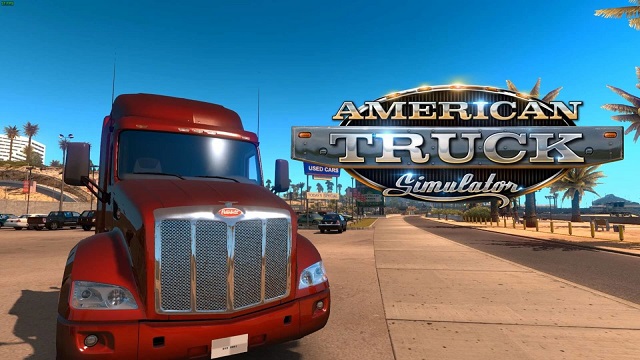
How Does Weather Realistically Affect Your Truck in ATS?
The game's physics engine simulates weather effects with remarkable fidelity, directly impacting your vehicle's handling and safety.
1.Reduced Traction and Hydroplaning on Wet Roads
Rain is the most common hazard you will face. A wet asphalt surface significantly reduces the friction between your tires and the road. This results in noticeably longer stopping distances and a higher risk of skidding during cornering or abrupt maneuvers. At high speeds, your tires can lose contact with the road entirely by gliding on a layer of water, a dangerous phenomenon known as hydroplaning, which leads to a complete loss of steering and braking control.
2.Severely Limited Visibility in Fog and Storms
Fog, heavy rain, and blizzards dramatically reduce your sight distance. This impairs your ability to see upcoming curves, road signs, brake lights from vehicles ahead, and potential obstacles on the roadway. Dense fog can make it impossible to see beyond your own hood, forcing you to navigate almost blindly. This condition demands extreme caution, as your reaction time to any hazard is effectively reduced to zero if you cannot see it in time.
3.Vehicle Sway and Control Loss from Strong Winds
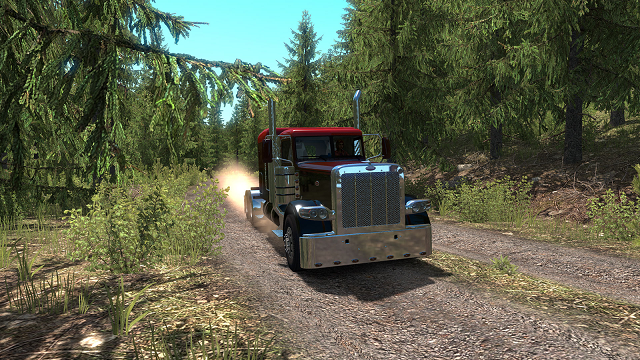
Crosswinds present a unique challenge, particularly when driving a high-profile vehicle like a semi-truck with a tall trailer, especially if it is empty. Strong gusts can push your rig sideways, causing constant sway and requiring active steering correction to stay in your lane. The effect is most pronounced on bridges, open plains, and when exiting tunnels, where a sudden wind blast can forcefully shove your truck, threatening a jackknife or a run-off-road accident if not properly countered.
What are the Essential Driving Adjustments for Each Condition?
Adapting your driving technique is the key to surviving and thriving in adverse weather.
1.The Universal Rule: Slow Down and Increase Space
This is the foundational rule for all adverse conditions. Reducing your speed gives you more time to react to surprises and increases your vehicle's stability. Coupled with this, you must dramatically increase your following distance from other vehicles. A gap that seems safe in dry weather is insufficient in the rain or fog, as your stopping distance can be double or more.
2.Mastering Smooth Control Inputs
Erratic movements are your enemy. Avoid sudden steering jerks, hard braking, and sharp acceleration. All inputs to the throttle, brake pedal, and steering wheel should be deliberate, gradual, and smooth. In rain, this prevents loss of traction. In wind, smooth corrections help maintain balance instead of overcorrecting into a dangerous swerve.
3.Utilizing Technology and Road Guides
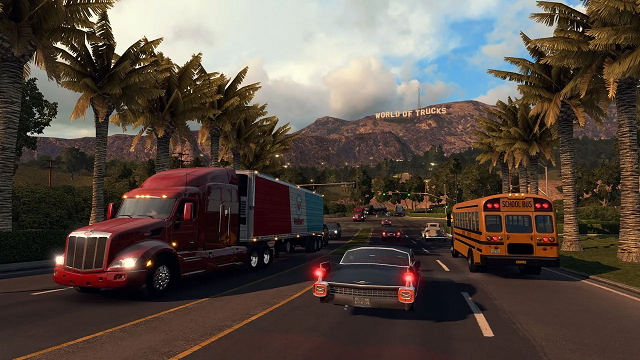
Learn to use your available tools. In fog, always use your low-beam headlights; high beams will reflect off the water droplets and create a blinding wall of light. Use your windshield wipers at an appropriate speed for rain intensity. When visibility is near zero, shift your focus slightly from the road ahead to your GPS map and the lane markings directly in front of you to maintain course.
How Can You Prepare Your Truck and Settings for Safety?
Proactive preparation separates a prepared driver from a vulnerable one. Investing in your truck's systems is paramount. Prioritize purchasing the Anti-lock Braking System (ABS) and Traction Control upgrades from the shop. These electronic aids are invaluable for maintaining control during emergency stops on slick surfaces or when accelerating on wet roads. Additionally, selecting tires designed for all-weather conditions can offer a marginal but useful improvement in grip compared to standard highway tires.
Beyond hardware, configure your game settings for a realistic and rewarding experience. Experiment with the truck stability and trailer stability sliders in the gameplay settings. While lowering them increases difficulty, it also makes wind and inertia effects more pronounced, rewarding careful driving and punishing recklessness. Finally, ensure your in-cab controls are second nature. Practice using the engine brake for controlled descents on wet downhill slopes and engage the differential lock if you find your drive wheels spinning on a slippery depot yard. For players managing their in-game finances to afford these crucial upgrades, finding a Cheap American Truck Simulator Top Up for virtual currency can be a helpful way to secure the best safety equipment without undue grind, ensuring you are always prepared for the storm ahead. Remember, in ATS, the best delivery is always a safe one.









SUPPORT
LEGAL
Policies






 USD ($)
 English
  Help Center