


Animal Shelter 2


Animal Shelter 2 is a simulation and management game that places players in charge of running an animal rescue shelter. While the game looks calm and heartwarming on the surface, new players may quickly realize that it involves a lot of systems working together. From animal care and medical treatment to finances and staff management, learning how everything connects is the key to success. This beginner guide focuses on helping new players understand the basics and avoid common early mistakes. For those who want a head start, you can buy Animal Shelter 2 account from Z2U to begin with unlocked features and resources.
Start Small and Expand Gradually
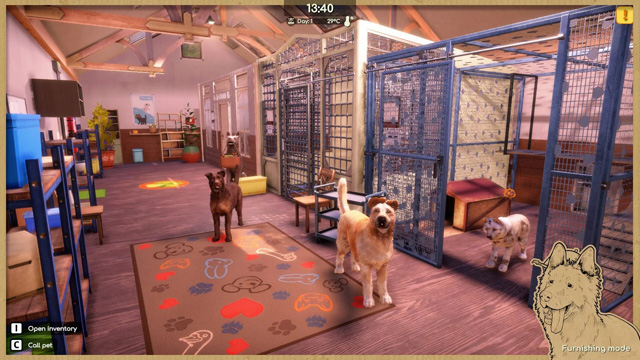
When starting the game, it is important to understand that time is one of your most valuable resources. Almost every action, such as cleaning, feeding, or treating animals, takes time, and poor planning can leave animals unhappy or sick. In the early stages, it is best to work at a slower pace and get used to the daily routine. Accepting too many animals too quickly often leads to chaos, higher expenses, and reduced care quality. Managing only a few animals at first allows you to learn their needs and maintain control.
Keeping the Shelter Clean
Cleanliness is one of the most important factors affecting animal happiness and health. Dirty enclosures can lead to illness and reduce adoption chances, creating a cycle of stress and extra costs. In the early stages, it is best to clean cages regularly, ideally before feeding or interacting with animals. Upgrading cleaning tools as the shelter grows will save time and make daily tasks more manageable. A clean shelter not only improves animal well-being but also strengthens your reputation with potential adopters.
Managing Animal Health
Medical care is a central part of the game. Animals may arrive with injuries, parasites, or illnesses, and learning basic treatments is essential for beginners. Start with simple tasks like applying medicine, bandaging minor wounds, and using the examination table correctly. Avoid taking on severely ill animals too early, as they require more time, money, and attention. Healthy animals recover faster and are adopted more quickly, so investing in proper care early pays off.
Budgeting and Financial Management
Money management is another challenge that can overwhelm beginners. Expenses include food, medicine, utilities, and staff salaries, while income comes mainly from adoptions and occasional donations. Avoid unnecessary purchases, such as decorations, in the early game. Instead, focus on essentials like food, medical supplies, and basic upgrades. Monitoring your balance carefully ensures you can handle unexpected situations without jeopardizing animal welfare or staff performance.
Hiring and Managing Staff
As your shelter expands, hiring staff becomes necessary to manage workload efficiently. Each employee has different skills affecting their performance, so assigning tasks thoughtfully is important. Overhiring or mismanaging staff can reduce productivity and increase costs unnecessarily. In the beginning, a small team with clearly defined roles—such as cleaning or feeding—allows you to focus on animal care while learning game mechanics.

Boosting Adoption Rates
Adoptions are the ultimate goal of Animal Shelter 2. Animals that are healthy, clean, and happy are adopted faster, which increases income and helps your shelter grow. Regular grooming, positive interaction, and proper medical care all improve an animal's appeal. High-quality photos for adoption listings also play a significant role in attracting potential adopters. By paying attention to these details, beginners can ensure a steady flow of adoptions without overwhelming their shelter.
Growing Your Shelter
Once you are comfortable with the core systems, you can consider expanding the shelter. Focus first on functional upgrades such as better cleaning tools, food stations, and medical equipment, rather than decorative items. Expansion should be gradual; taking on more animals or complex rescues too quickly can cause stress and financial strain. Patience and careful planning allow your shelter to grow sustainably while maintaining high standards of animal care. If you're looking for cost-effective options, you can find cheap Animal Shelter 2 accounts at z2u.com, which can help save time and money in the early stages.
Conclusion
Animal Shelter 2 rewards players who plan carefully, manage resources efficiently, and prioritize animal well-being. Beginners should focus on learning daily routines, maintaining cleanliness, managing budgets, and providing proper medical care before attempting rapid expansion. By following these steps, you can build a successful shelter, save more animals, and enjoy the rewarding experience of running a thriving animal rescue center.









SUPPORT
LEGAL
Policies






 USD ($)
 English
  Help Center