


How to Fish

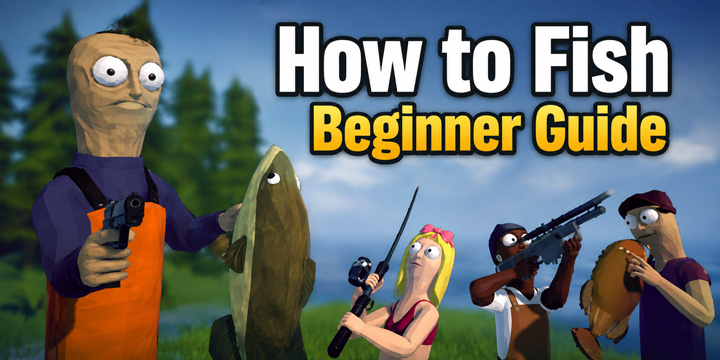
How to Fish looks like a simple fishing game, but your first trip to the water quickly proves otherwise. Developed and published by Dazed Games, this physics-based adventure launched on Steam on August 20, 2026, and supports both solo play and online co-op for up to four players.
The premise is deliberately ridiculous: after drinking and boating, you crash onto a small island and need to find a way home. Fishing becomes the foundation of your survival, but catching something is only the beginning. You will sell catches, buy equipment, fight creatures, complete quests, defeat bosses, and travel through a chain of increasingly dangerous islands.
For players getting ready to start their adventure, Z2U also offers another option to Buy How to Fish Account listings from different sellers, making it easy to compare prices and account details before choosing an offer. If you are starting fresh, this guide explains the fundamentals, from catching and selling fish to upgrading equipment, completing quests, defeating bosses, and unlocking new islands.
How Does How to Fish Work?
The basic progression loop is easy to understand:
Catch creatures → deal with your catch → sell what you can → buy better equipment → complete quests → defeat bosses → reach new islands.
Unlike a traditional fishing simulator, landing something does not necessarily mean the encounter is finished. Fish and other creatures can flop or crawl around after being pulled onto land, and players eventually gain access to increasingly absurd weapons for dealing with them.
Fishing therefore connects directly with the game's combat and economy.
| System | What It Does | Beginner Priority |
|---|---|---|
| Fishing | Lets you catch fish and other marine creatures | Very High |
| Selling | Provides money for equipment and weapons | Very High |
| Rods & Lures | Determine which creatures you can target | Very High |
| Weapons | Help deal with landed creatures and threats | High |
| Quests | Guide story and island progression | Very High |
| Bosses | Important encounters tied to progression | Very High |
| Islands | Introduce new catches, equipment and objectives | High |
| Co-op | Supports groups of up to four players | Optional |
The most important beginner lesson is that How to Fish is not about standing at one dock and endlessly farming fish. The game constantly encourages you to improve your equipment and move forward.
Start by Building Your First Fishing Budget
Your opening situation is intentionally rough.
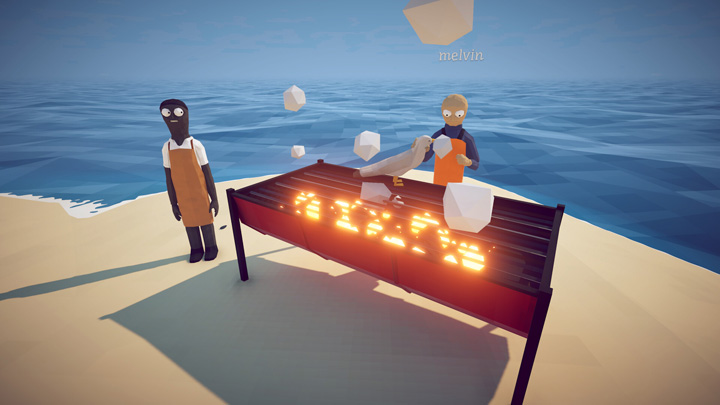
After the crash, you have very little equipment and need to establish your first source of income. One of the early ways to do this is collecting clams around the starting area. They can provide basic value, but selling them also helps you build enough cash to begin buying the tools needed for proper fishing.
Once you obtain fishing equipment, your economy starts expanding.
Your early priorities should generally be:
Learn how casting and reeling work.
Catch manageable creatures rather than immediately chasing dangerous targets.
Sell ordinary catches to generate cash.
Spend money when an upgrade solves an actual problem.
Follow nearby NPC quests instead of farming endlessly.
Keep unusual quest or boss items until you know they are no longer needed.
The last point is especially important. Some progression objectives require specific items, and carelessly disposing of something unusual can create unnecessary extra work.
Learn the Fishing Mechanics
Fishing itself is straightforward, but the physics system means there is still some technique involved.
On mouse and keyboard, current beginner documentation describes casting by holding the left mouse button to charge the cast and releasing it to send the line out. When something bites, you reel while paying attention to line tension.
That tension is important. Pull too aggressively and you risk losing control of the catch or breaking the line.
Instead of thinking only about maximum reeling speed, focus on maintaining control.
For beginners, the best approach is to practice on ordinary catches until casting, hooking and reeling feel natural. Once the basic process becomes automatic, dealing with rarer or more dangerous creatures becomes much easier.
Catching the Fish Is Only Half the Job
This is where How to Fish becomes very different from more relaxing fishing games.
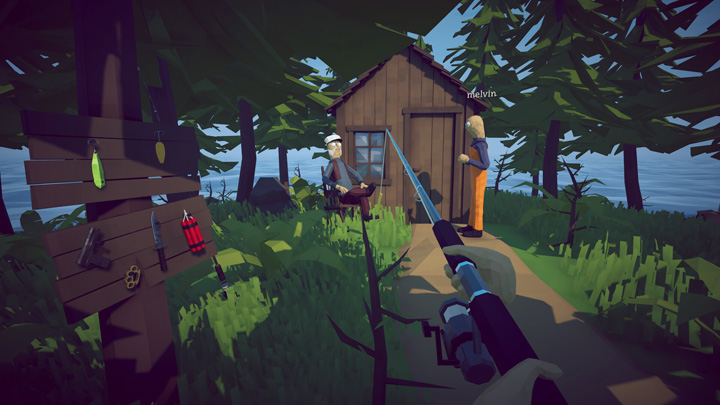
A landed creature does not simply transform into an icon inside your inventory. Some catches remain physically active after reaching land. Early in the game, you may have to rely on basic attacks, while progression eventually gives you access to knives, brass knuckles, firearms and other increasingly excessive options.
That creates one of the game's signature loops:
Hook it. Land it. Subdue it. Sell it.
The physics also create opportunities for ridiculous moments, especially in co-op. Fish can move unpredictably, and later weapons turn ordinary fishing trips into something closer to a chaotic action game.
There are even opportunities to earn money through more unusual methods, including trick-shot-style interactions and gambling systems.
Rods and Lures Control What You Can Catch
One of the easiest mistakes for a beginner is assuming that every fish can be caught with whatever rod and bait you currently have.
That is not how progression works.
Different areas introduce different fishing equipment, and later creatures generally require the appropriate lure tier. Current guides document more than 30 catchable creatures spread across the available island progression.
A simplified progression looks like this:
| Area |
Typical Lure Progression | What Changes |
|---|---|---|
| Lighthouse / Starting Area | Free Lure / early special bait | Learn the basic economy and fishing systems |
| Island 2 | Beginner Lure | LureMore conventional fish become available |
| Island 3 | Standard Lure | New species and tougher progression |
| Island 4 | Professional Lure | Stronger and more unusual catches |
| Island 5 | Scientific Lure | Late-game fishing targets |
| Bosses | Special quest-specific bait | Normal lure rules may not apply |
If a creature refuses to bite, do not immediately assume that your cast is bad.
Check your location, rod, lure and current quest first.
Bosses are particularly important because they can require dedicated bait or special items obtained through quest progression.
Follow Quests Instead of Fishing Aimlessly
You can spend plenty of time messing around with the game's physics, but players interested in progressing toward the ending should pay close attention to NPCs.
Quests connect the fishing sandbox to the island progression system.
The general structure is:
Talk to an NPC → learn what is required → obtain the necessary item or bait → encounter the target → collect the required result → return to the NPC.
Completing these chains is what gradually pushes you toward additional islands.
This also explains why killing a boss is not always the final step.
A common progression mistake is defeating the required creature and immediately assuming the next island should become available. In some cases, you still need to take the relevant trophy or quest item back to the correct NPC.
If nothing happens after an important encounter, check your inventory and return to the quest giver before repeating the entire fight.
How Island Progression Works
The adventure expands beyond the small place where you initially become stranded.
Current guides document the Lighthouse/start area followed by Islands 2 through 5, with each stage introducing different creatures, lure requirements, quests and boss encounters.
Rather than simply reaching a certain character level, progression is heavily tied to objectives.
A useful way to think about every island is:
Explore the new area.
Locate important NPCs.
Read the current quest requirements.
Identify any special bait or items you need.
Upgrade equipment if the current objective demands it.
Catch or defeat the required creature.
Keep important trophy or quest drops.
Return to the appropriate NPC.
Obtain the information or access needed to continue.
Following this process prevents one of the biggest sources of beginner frustration: having enough money and equipment but not understanding why the next destination has not unlocked.
Don't Spend Every Dollar Immediately
Better equipment is tempting, especially once the shops begin offering more powerful weapons and fishing gear.
However, buying everything as soon as it appears is rarely necessary.
A better strategy is to identify your current bottleneck.
Can't catch the fish required for your objective? Look at your fishing setup.
Can you hook the target but struggle afterward? A weapon upgrade may be more valuable.
Already completing your current objectives comfortably? Saving money for equipment on the next island may make more sense.
There is no need to turn every shopping opportunity into an automatic purchase.
Survival Gets Stranger as You Progress
The word "survival" in How to Fish should not make you expect a conventional hardcore survival simulator.
Instead, survival is wrapped into the game's chaotic premise and physics-driven systems. You begin stranded with limited resources and gradually turn fishing into a way to fund your journey home.
The creatures also become significantly more intimidating.
Your targets eventually extend far beyond harmless little fish. Sharks, king crabs and other large marine creatures appear as you move deeper into the adventure, turning later encounters into much more dangerous situations than your first casts near the starting island.
The contrast between peaceful fishing and ridiculous combat is a major part of the game's identity.
Should You Play Solo or With Friends?
Steam officially supports 1–4 players, so How to Fish can be played alone or with up to three friends.
Solo play makes it easier to focus on quests and learn how progression works at your own pace. Co-op, however, fits the game's physics-heavy chaos particularly well.
With friends, ordinary fishing trips can quickly turn into unpredictable fights, failed casts, flying creatures and accidental disasters.
New players should still learn the basic progression systems themselves rather than relying entirely on a more experienced teammate. Understanding which NPC, lure or trophy advances a quest will make later sessions much easier.
Common How to Fish Beginner Mistakes
Many early problems are caused by misunderstanding progression rather than lacking fishing skill.
Try to avoid these mistakes:
Spending too much time farming the starting area after completing its objectives.
Using the wrong lure for the island or target creature.
Ignoring NPC dialogue and active quests.
Selling or losing unusual items before checking whether they are quest-related.
Assuming a boss kill automatically completes the entire quest.
Spending all your money without considering the next required upgrade.
Trying to brute-force a catch when your equipment is the real problem.
Forgetting that boss creatures may require special bait rather than ordinary lures.
When you get stuck, checking your quest, inventory, bait and equipment is usually more useful than simply repeating the same action.
A Simple Progression Plan for New Players
If you want an easy roadmap without spoiling every quest or boss, use this approach:
Early Game: Collect basic resources, establish your first cash supply and learn the fishing controls.
First Upgrades: Buy equipment that helps you reliably catch and deal with early creatures.
Quest Progression: Talk to NPCs and begin completing the objectives connected to leaving your current area.
Boss Preparation: Identify the required bait or quest item before attempting major encounters.
Island Unlocks: Return important boss-related items and follow the progression chain toward the next destination.
Later Islands: Upgrade your lure tier, discover new species and prepare for increasingly dangerous catches.
Long-Term Goals: Explore the remaining islands, experiment with weapons, hunt unusual creatures, earn more money and complete whatever challenges you missed during the main journey.
Final Tips for New How to Fish Players
The easiest way to understand How to Fish is to stop thinking of it as only a fishing simulator.
Fishing creates your income. Income buys equipment. Equipment lets you tackle tougher creatures. Quests point you toward bosses, and bosses help move your journey across the islands forward.
If you become stuck, avoid immediately grinding for more money. First check whether you have spoken to the right NPC, equipped the correct lure, completed the required quest step or kept the item needed for a hand-in.
Once that progression loop clicks, the game becomes much easier to navigate.
If you are looking for another way to get started, you can also browse Cheap How to Fish Account offers on Z2U, compare prices and account details from different sellers, and choose an option that fits your needs and budget.
And while reaching home provides the adventure with a clear goal, much of the fun comes from everything that goes wrong along the way. Whether you are carefully managing line tension or launching a fish through the air before pulling out a firearm, How to Fish turns a simple fishing trip into one of the stranger co-op adventures you can currently find on Steam.









SUPPORT
LEGAL
Policies






 USD ($)
 English
  Help Center