







MLB The Show 26 delivers one of the most comprehensive baseball gaming experiences available today, offering a variety of modes tailored to different playstyles. Whether you prefer building a career, assembling a dream team, or managing a franchise, understanding each mode's mechanics is key to long-term success. Below is a refreshed guide with practical strategies to help you get ahead.
Build Your Legacy in Road to the Show
Road to the Show (RTTS) has evolved into a deeper, more narrative-driven journey. Players now begin their careers earlier, progressing from amateur competition into college baseball before reaching the professional stage. This expanded structure adds more meaning to early decisions and long-term development.
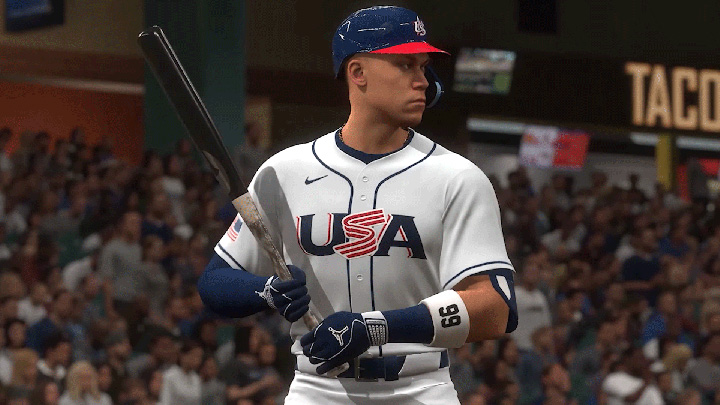
To succeed, start with a clear vision of your player's identity. Decide whether you want to become a power hitter, a defensive specialist, or an all-around star. This direction will influence how you train, which perks you prioritize, and how you respond to opportunities throughout your career.
Another important aspect is managing progression efficiently. The perk system allows you to accelerate growth, but only if you actively pursue unlock conditions. Planning ahead and targeting specific upgrades can dramatically shorten your path to becoming an elite player.
Career control is also more flexible than before. You can request trades or even change positions to better fit your development path. This adds a layer of strategy beyond gameplay, as choosing the right team or role can significantly impact your performance trajectory.
Finally, simulation plays a key role in long careers. Instead of playing every single game, it's often smarter to simulate when your player is performing well. Strong recent performances can boost simulated outcomes, making this a valuable tool for efficient progression.
Dominate with Smart Decisions in Diamond Dynasty
Diamond Dynasty remains one of the most popular modes thanks to its blend of team-building and competition. Players can collect cards featuring current stars, legends, and special editions, then use them to construct a powerful lineup.
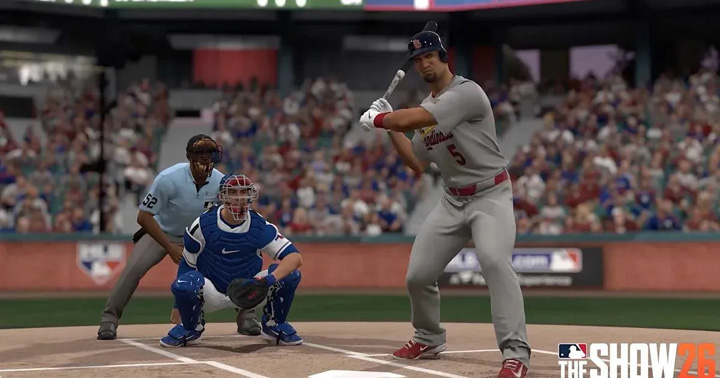
Success in this mode starts with smart resource management. Opening packs early and evaluating your roster gives you a clear understanding of your strengths and weaknesses. From there, every decision—whether to sell, upgrade, or invest—should align with your long-term strategy. If you want to speed up your team-building process, many players choose to top up MLB 26 Stubs at z2u marketplace to quickly strengthen their roster and stay competitive.
The mode also introduces deeper progression systems, such as parallel upgrades that allow you to customize player attributes. Instead of simply chasing higher-rated cards, you can shape your team based on your preferred playstyle, whether that emphasizes power, speed, or defense.
Competitive play requires adaptability. Events, mini seasons, and tournament-style challenges demand different roster setups. For example, international-themed competitions or bracket formats encourage experimentation and strategic roster adjustments.
In online play, mastering mechanics becomes even more critical. Fine-tuning hitting settings, adjusting PCI sensitivity, and optimizing camera angles can significantly improve performance. Even small tweaks can provide a competitive edge when facing skilled opponents.
Take Control in Franchise Mode
Franchise Mode offers a completely different experience, focusing on long-term team management rather than individual performance. This year, improvements to trading systems and overall strategy make it more engaging than ever.
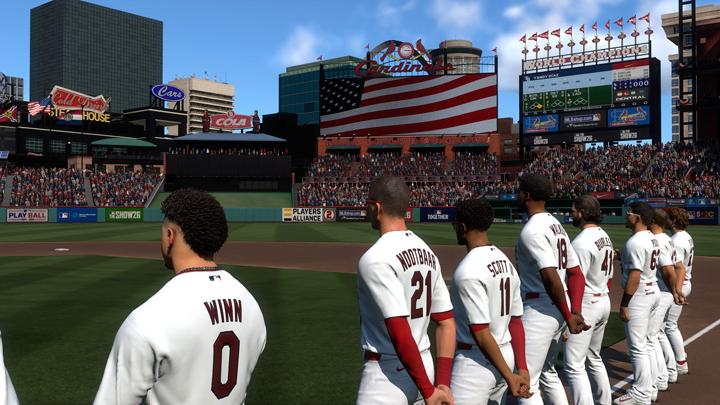
The introduction of a centralized trade system transforms how deals are handled. Instead of instant transactions, negotiations now develop over time, requiring patience and planning. Building a championship roster is no longer about quick fixes—it demands careful evaluation of team needs, player value, and future potential.
Another key improvement is the ability to jump directly into important moments during a season. Rather than playing every game, you can focus on critical matchups that shape your team's success. This keeps long seasons engaging and prevents fatigue.
Defensive strategy also plays a larger role in roster construction. Player abilities are now more nuanced, with directional strengths and weaknesses influencing performance on the field. As a result, building a balanced lineup requires more than just stacking high overall ratings—it demands thoughtful positioning and complementary skills.
General Gameplay Tips for All Modes
Across all modes, gameplay improvements add new layers of strategy. Pitching now includes situational mechanics that reward smart timing, while hitting systems offer more accessibility without removing skill depth.
Defense is more impactful than ever, meaning positioning and player selection can directly influence outcomes. A strong catcher, for example, can limit opponents' running game, while infield coverage can prevent key hits.
To improve quickly, focus on three core areas:
Consistency in settings: Find a camera and control setup that works for you and stick with it.
Situational awareness: Understand when to take risks, especially in high-pressure moments.
Strategic adaptation: Adjust your approach depending on the mode and opponent.
For players looking to gain an extra edge in competitive modes, it's also common to buy MLB the Show 26 Stubs from Z2U as a way to unlock stronger players and build a more balanced squad without spending excessive time grinding.
Final Thoughts
MLB The Show 26 stands out for its depth and variety, offering meaningful experiences for both casual and competitive players. Each mode presents unique challenges, but mastering them comes down to planning, adaptability, and smart decision-making.
Whether you're building a Hall of Fame career, assembling a dominant fantasy roster, or guiding a franchise to glory, success comes from understanding the systems behind the game—and using them to your advantage.









SUPPORT
LEGAL
Policies






 USD ($)
 English
  Help Center