


Resident Evil Requiem


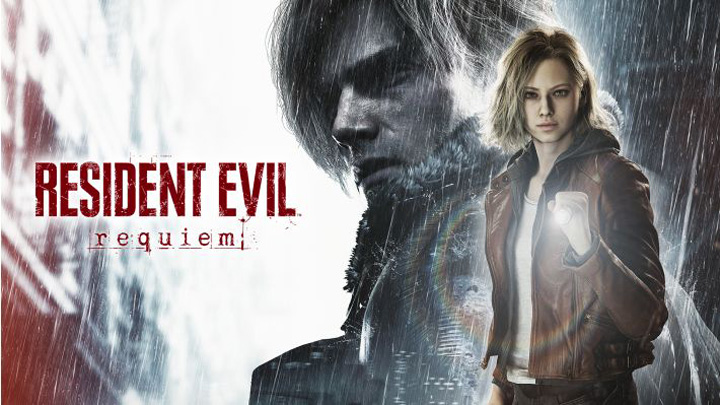
Resident Evil: Requiem marks a significant evolution for Capcom's legendary survival horror franchise. As the ninth mainline installment, the game attempts to reconcile decades of shifting design philosophies, blending psychological horror with action-driven gameplay. Rather than committing fully to one style, Requiem embraces the series' diverse legacy and reshapes it into a flexible, player-driven experience.
At the heart of this new chapter is a dual-protagonist structure that allows the story to unfold from contrasting perspectives. The narrative follows Grace Ashcroft, an FBI analyst who finds herself trapped in a terrifying medical facility tied to a new biohazard outbreak. Unlike traditional Resident Evil heroes, Grace is not a hardened combat specialist. She is anxious, thoughtful, and visibly shaken by the horrors around her, making her journey feel intensely personal and grounded.
Alongside Grace returns veteran agent Leon S. Kennedy, whose presence connects Requiem to the franchise's long-standing mythology. Leon's storyline carries a more action-oriented tone, offering combat sequences and high-stakes confrontations that contrast sharply with Grace's vulnerability. Together, their intersecting narratives create a dynamic rhythm between dread and resistance.
First-Person Immersion: Horror at Its Most Intimate
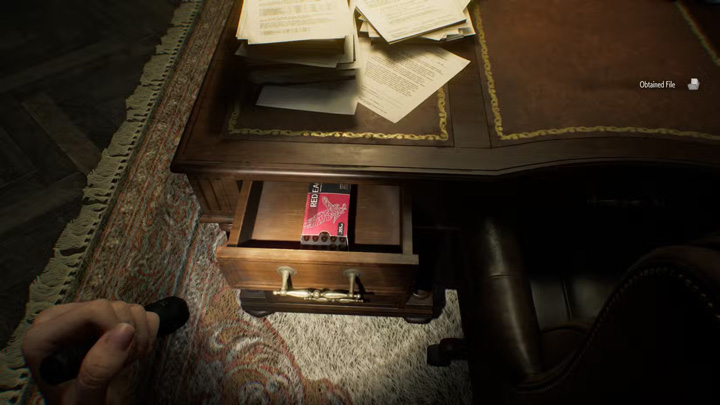
One of Requiem's most talked-about features is its fully integrated first-person mode. Unlike earlier entries that locked players into a single perspective, this game allows players to choose how they want to experience the horror.
The first-person viewpoint amplifies immersion. Hallways feel narrower, shadows seem heavier, and the smallest environmental details become threatening. When danger approaches, it feels immediate and unavoidable. This perspective intensifies suspense because the player sees only what the character sees, heightening uncertainty and emotional tension.
Grace's segments particularly benefit from this style. Her fear becomes the player's fear. Every creak of the floorboards and distant echo within the decaying medical facility feels personal. The result is a claustrophobic atmosphere reminiscent of the franchise's most unsettling moments.
Players who prefer to begin their adventure with upgraded progress or pre-unlocked content can explore another option as well — cheap Resident Evil Requiem accounts are available for sale at z2u.com, providing a faster way to dive into the full experience.
Third-Person Perspective: Tactical Awareness and Classic Feel
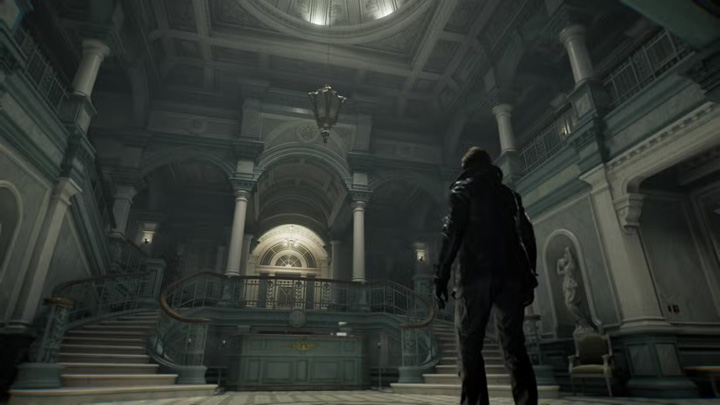
Equally important is the third-person option, which can be toggled at any time. This feature is more than a cosmetic addition; it fundamentally changes how the game feels.
With the camera positioned over the character's shoulder, players gain broader environmental awareness. Enemies are easier to track, movement feels more controlled, and combat becomes more tactical. For longtime fans accustomed to over-the-shoulder gameplay, this perspective delivers familiarity and comfort.
Third-person mode also enhances cinematic presentation. Seeing the character navigate environments reinforces their physical presence within the world. In action-heavy sequences, especially those involving Leon, the wider field of vision allows for smoother engagements and clearer spatial judgment.
Rather than favoring one perspective over the other, Requiem treats both as fully developed experiences. Animation, aiming mechanics, and environmental design feel polished in either mode, ensuring that the choice does not compromise gameplay quality.
Player Agency as a Design Philosophy
The ability to switch perspectives reflects a broader design philosophy centered on player agency. Requiem acknowledges that horror affects individuals differently. Some players prefer raw, unfiltered immersion; others want a degree of separation from the terror.
By offering choice, the game becomes accessible to a wider audience without diluting its intensity. Players can adjust their experience according to comfort level or even switch perspectives based on the situation. Some may prefer first-person during exploration to heighten suspense, then shift to third-person during combat for greater control.
Another way players tailor their experience is by deciding how much early progression they want to handle themselves. Instead of replaying opening chapters multiple times, many gamers choose to buy Resident Evil Requiem account from Z2U, allowing immediate access to advanced stages or higher-tier content.
This flexibility also encourages replayability. The emotional tone of scenes subtly shifts depending on the chosen viewpoint. A sequence that feels overwhelmingly intimate in first-person may feel more strategic and cinematic in third-person. Experiencing the story through both lenses adds depth and variation.
Balancing Horror and Action
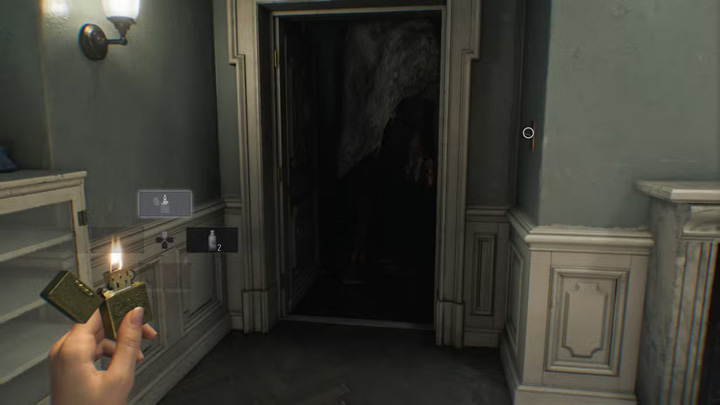
Requiem's narrative structure carefully alternates between psychological horror and direct confrontation. Grace's chapters lean heavily into suspense, limited resources, and isolation. Leon's segments introduce momentum, heavier weaponry, and faster pacing.
This oscillation prevents fatigue. Extended tension is relieved by bursts of action, while intense combat eventually gives way to quieter, more unsettling exploration. The result is a balanced progression that maintains engagement throughout the campaign.
Critically, the camera system enhances this balance rather than disrupting it. First-person deepens horror moments, while third-person reinforces action sequences. Together, they support the game's hybrid identity.
A Confident Evolution for the Franchise
Resident Evil: Requiem does not simply revisit old ideas; it reframes them through modern design sensibilities. By merging immersive horror with traditional over-the-shoulder gameplay and by pairing a vulnerable newcomer with an experienced veteran, the game bridges generational divides within the fanbase.
More importantly, it demonstrates that survival horror can evolve without abandoning its roots. Fear, tension, and atmosphere remain central, but they are now shaped by player preference. Whether creeping through dark corridors or confronting monstrosities head-on, players define how close they want to stand to the horror.
In doing so, Requiem signals a future where flexibility and identity coexist — a survival horror experience that adapts to its audience while staying unmistakably true to itself.









SUPPORT
LEGAL
Policies






 USD ($)
 English
  Help Center