


SpiritVale

SpiritVale is a class-based action MMORPG that combines classic MMORPG progression with modern action combat elements. Inspired by games such as Ragnarok Online, SpiritVale features a deep character-building system with multiple classes, advanced job paths, equipment customization, card systems, crafting, bosses, and multiplayer content.
For new players entering Nevaris for the first time, the amount of available systems can feel overwhelming. Choosing the wrong class direction, wasting upgrade materials, or ignoring important mechanics can slow down your progression significantly.
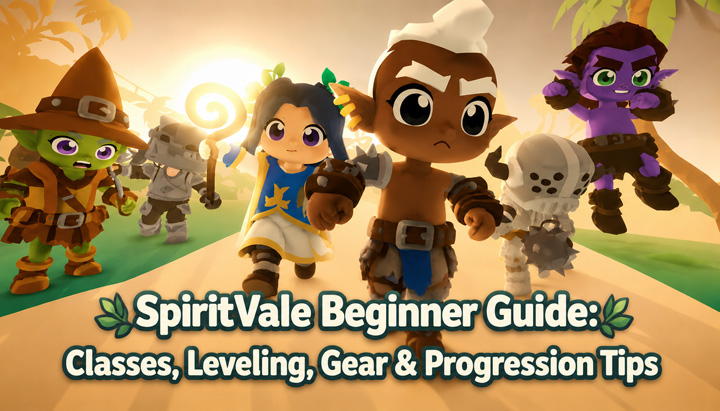
This SpiritVale beginner guide covers everything you need to know before starting your adventure, including character creation, class selection, leveling strategies, equipment upgrades, cards, economy management, party gameplay, and common mistakes to avoid.
Whether you are a solo player looking for a reliable build or someone planning to join a guild and explore endgame content, this guide will help you build a strong foundation. Managing your in-game resources efficiently is also an important part of progression, and players looking to speed up their growth can find cheap SpiritVale Gold for sale at Z2U to support their adventures in Nevaris.
What Is SpiritVale?
SpiritVale is an online action MMORPG focused on character progression, exploration, and customization. Players begin their journey as a basic adventurer and gradually develop their character through class upgrades, skill choices, equipment improvements, and collectible systems.
The game combines several traditional MMORPG features:
Class-based character progression
Open-world exploration
Monster hunting and boss encounters
Equipment refining
Card-based customization
Party and guild gameplay
Trading and economy systems
Unlike traditional MMORPGs that rely heavily on automatic combat or simple leveling, SpiritVale requires players to actively control movement, dodge attacks, and manage combat positioning.
One of the most important mechanics beginners should learn is the dodge roll. The dodge system provides a short invulnerability window, allowing skilled players to avoid dangerous attacks instead of relying only on defensive stats.
SpiritVale Character Progression Explained
SpiritVale uses a dual progression system that separates character level and job development.
Understanding this system early is important because your character strength does not depend only on your level.
| Progression System | Purpose | Beginner Advice |
|---|---|---|
| Base Level | Improves basic attributes such as STR, AGI, INT, DEX, and VIT | Focus on consistent leveling through quests and monsters |
| Job Level | Unlocks skill points and class progression | Do not waste Job EXP opportunities |
| Equipment Level | Improves weapon and armor strength | Upgrade gradually instead of spending everything early |
| Cards & Artifacts | Provides additional customization | Save valuable items until you understand your build |
Base Level mainly affects your character statistics, while Job Level determines skill development and future class advancement. Because both systems progress separately, players may have strong attributes but still lack important abilities if they ignore Job Level progression.
How to Start Playing SpiritVale
Step 1: Choose Your First Character Carefully
Your first character does not need to be perfect, but choosing a comfortable playstyle will make the early game much easier.
Beginners should consider:
Do you prefer close-range combat or ranged attacks?
Do you want to play alone or with groups?
Do you enjoy dealing damage or supporting teammates?
Do not immediately follow random tier lists. SpiritVale classes can change through balance updates, and the strongest class today may not always remain dominant.
Step 2: Complete Early Quests
During the first levels, quests are the fastest way to learn the game while earning experience and basic equipment.
New players should prioritize:
Main story quests
Tutorial objectives
Unlocking map locations
Learning NPC functions
Collecting early equipment
Avoid spending too much time farming low-level monsters at the beginning. Early quest rewards usually provide better progression efficiency.
SpiritVale Beginner Class Guide
SpiritVale offers seven starting classes, each with its own advanced progression options and specialization routes. Each class has different weapons, stats, and combat roles.
| Class Type | Playstyle | Difficulty | Beginner Recommendation |
|---|---|---|---|
| Warrior | Close-range physical damage | Easy | Excellent first choice |
| Knight | Defensive frontline fighter | Easy | Great for solo players |
| Mage | High magic damage | Medium | Strong but requires positioning |
| Scout | Fast ranged attacks | Medium | Good for experienced players |
| Acolyte | Healing and support | Medium | Valuable in parties |
| Summoner | Uses summoned units | Medium | Good for strategic players |
| Rogue | Fast attacks and mobility | Hard | Better for experienced players |
For beginners, defensive and straightforward classes are usually easier because they allow mistakes while learning enemy patterns.
A strong first character should focus on survivability, reliable damage, and simple skill rotation.
To learn more about classes choices, please click to read the article SpiritVale Classes Guide 2026: All Classes, Advanced Jobs & Best Build Explained.
SpiritVale Leveling Guide: How to Level Faster
Leveling in SpiritVale is not only about defeating monsters. Efficient players combine quests, exploration, party bonuses, and targeted farming.
Early Game Leveling Strategy
Levels 1-20
Focus on:
Main quests
Tutorial missions
Unlocking important systems
Collecting basic equipment
Do not waste resources upgrading temporary gear too much.
Mid Game Progression
After learning your class mechanics, begin focusing on:
Better equipment drops
Monster farming locations
Card collection
Crafting materials
Party play becomes increasingly useful because group bonuses improve efficiency and survival.
SpiritVale Equipment and Upgrade Guide
Equipment is one of the biggest factors affecting your combat power.
Beginners often make the mistake of replacing items constantly instead of building toward long-term upgrades.
Important equipment systems include:
Weapon Refining
Weapons provide a major damage increase, so improving your main weapon should usually be your first priority.
Recommended beginner approach:
Upgrade your main weapon first
Avoid wasting rare materials on temporary items
Keep useful upgrade materials for future equipment
Armor Selection
Do not only look at defense numbers.
Important stats may include:
Damage bonuses
Critical rate
Cooldown reduction
Elemental resistance
Survival attributes
A slightly lower defense item with useful offensive bonuses can sometimes outperform a defensive item.
SpiritVale Card System Explained
Cards are one of the most important customization systems in SpiritVale.
Instead of simply increasing item levels, cards allow players to create specialized builds.
Examples of card benefits include:
Increasing damage
Improving survivability
Enhancing elemental effects
Supporting specific playstyles
New players should avoid immediately selling every card they find.
Some cards that appear useless early may become valuable later for different builds or trading.
SpiritVale Economy Guide: Gold, Crafting and Trading
Managing resources correctly is essential for long-term progression.
Beginner economy tips:
Save Your Gold
In SpiritVale, Gold is not only used for equipment upgrades and crafting but also plays an important role in trading and preparing for challenging content. Players who want to optimize their early-game development can choose to buy SpiritVale Gold from Z2U.com, giving them additional flexibility when upgrading gear, improving builds, and exploring more advanced systems.
Avoid spending all currency on:
Random equipment boxes
Unnecessary upgrades
Temporary items
Save resources for meaningful upgrades.
Collect Materials
Many monster drops have future value.
Keep:
Crafting materials
Rare cards
Upgrade resources
Boss-related items
The economy system rewards players who understand item value instead of simply selling everything immediately.
Party and Multiplayer Tips
Although SpiritVale can be played solo, multiplayer provides important advantages.
Joining parties helps with:
Faster leveling
Easier boss fights
Better survival
Learning advanced mechanics
A balanced party usually includes:
Damage dealers
Defensive characters
Support classes
Players who enjoy long-term progression should consider joining an active guild early.
Guild communities can help with boss strategies, farming routes, and class advice.
Common Beginner Mistakes in SpiritVale
New players often make progression mistakes when they fail to understand how the core systems work.
1. Spending Resources Too Early
Do not use every rare material immediately.
Early equipment will eventually be replaced.
2. Ignoring Dodge Mechanics
SpiritVale combat rewards movement.
Standing still and relying only on armor will make difficult fights much harder.
3. Choosing a Class Without Testing
Try different playstyles before committing.
Your favorite class is usually more important than temporary rankings.
4. Selling Valuable Items
Cards and crafting materials may become useful later.
Always check item value before selling.
5. Playing Completely Alone
Solo play is possible, but parties provide better efficiency for many activities.
Final Tips for New SpiritVale Players
Starting SpiritVale can feel complicated because the game offers many progression systems at once. The best approach is to learn gradually:
Choose a class that matches your playstyle
Complete quests before grinding
Understand Base Level and Job Level differences
Upgrade carefully
Save valuable materials
Learn dodge timing
Join parties when possible
SpiritVale rewards players who take time to understand its systems. With the right early decisions, your first journey through Nevaris will be much smoother and your character will have a stronger foundation for future content.
FAQ
Is SpiritVale beginner friendly?
Yes. The game has many systems, but new players can gradually learn them through quests and exploration.
What is the best beginner class in SpiritVale?
Classes with strong survivability, such as Warrior or Knight-style builds, are generally easier for new players.
Should I follow a build guide immediately?
Not necessarily. Learn your class first before committing valuable resources.
Is party play important?
Yes. Parties provide better efficiency for leveling and boss content.
What should I upgrade first?
Your main weapon is usually the best first upgrade target.
Should I save cards?
Yes. Many cards have future value for different builds.
Can beginners play solo?
Yes, but multiplayer progression is often faster.









SUPPORT
LEGAL
Policies






 USD ($)
 English
  Help Center