


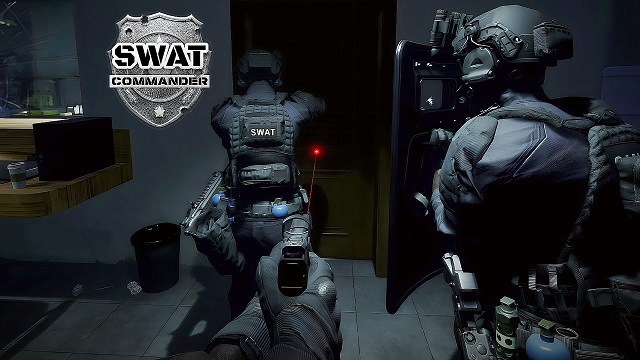
SWAT Commander

Leading a SWAT team in high-risk operations requires more than just tactical knowledge. It demands meticulous planning, precise coordination, and adaptive execution. Every decision can have life-or-death consequences, making the role of a commander both challenging and critical. For those looking to step into such a role, some may even consider shortcuts like Buy SWAT Commander Account to gain access to specialized training or resources, though true expertise is built through experience and disciplined learning.
How Do You Mitigate Risk Before Launching an Operation?
1.Conduct Detailed Intelligence Gathering
Thorough intelligence is the foundation of any successful operation. Before deployment, commanders must gather and analyze all available data, including the layout of the operational area, potential threats, number of suspects, and presence of civilians. This involves coordinating with intelligence units, reviewing surveillance footage, and utilizing technology such as drones or thermal imaging. Comprehensive intelligence minimizes uncertainties and allows the team to anticipate challenges, thereby reducing the risk of unexpected confrontations.
2.Develop and Rehearse Multiple Contingency Plans
A single plan is rarely sufficient in dynamic high-risk scenarios. Effective commanders prepare for various outcomes by developing multiple contingency strategies. Each plan should address different possibilities, such as changes in suspect behavior, environmental factors, or operational setbacks. Teams must rehearse these plans rigorously through simulations and drills. This practice ensures that every member understands their role under varying circumstances, enhancing responsiveness and reducing hesitation during actual operations.

3.Perform Comprehensive Equipment and Personnel Checks
Equipment failure or human error can drastically increase operational risk. Commanders must verify that all tools—from firearms and communication devices to protective gear and breaching equipment—are fully functional and appropriately deployed. Similarly, personnel should be assessed for physical and mental readiness. This includes confirming that each operator is briefed, rested, and focused. A meticulous pre-operation check ensures that both technology and team members perform optimally when it matters most.
How Do You Coordinate Your Team for Maximum Precision?
1.Establish Clear and Hierarchical Communication Channels
Precision in operations hinges on flawless communication. Commanders must implement a clear communication structure that defines channels for orders, updates, and emergencies. Using standardized terminology and protocols prevents misunderstandings. Radios, earpieces, and hand signals should be tested for reliability. Leaders must also designate communication roles, such as a dedicated radio operator, to ensure that the command chain remains uninterrupted and information flows efficiently without overload or confusion.
2.Implement Role Specialization and Cross-Training
Each team member should have a specialized role—sniper, breacher, medic, or point—that aligns with their skills and training. However, cross-training is equally important to foster flexibility. Commanders must ensure that operators understand not only their own responsibilities but also those of their teammates. This dual approach allows the team to adapt quickly if a member is incapacitated or if the situation requires shifting roles, maintaining operational cohesion and precision under pressure.
3.Utilize Technology for Real-Time Situational Awareness
Modern technology greatly enhances coordination and precision. Commanders should leverage tools like GPS tracking, real-time video feeds, and augmented reality systems to maintain situational awareness. These technologies provide a comprehensive view of the operational landscape, allowing leaders to monitor team movements, suspect activity, and environmental changes. By integrating technology into command decisions, leaders can deploy resources more accurately and adjust tactics instantaneously.
How Do You Execute with Adaptability and Follow Through with After-Action Learning?
1.Empower Team Leaders with Decentralized Decision-Making
While overall strategy is set by the commander, on-ground leaders must be empowered to make critical decisions in real time. High-risk environments are fluid, and delays in communication can lead to missed opportunities or increased danger. By delegating authority to trusted subordinates, commanders enable faster responses to changing conditions. This balance between central command and decentralized execution enhances adaptability without sacrificing overall control.
2.Conduct Thorough After-Action Reviews
Every operation provides valuable lessons. Commanders should conduct detailed after-action reviews (AARs) that involve all participants. These sessions must focus on analyzing what worked, what didn’t, and why. Feedback should be constructive and honest, covering aspects like planning, execution, communication, and equipment performance. The goal is to identify strengths to reinforce and weaknesses to address, turning experience into continuous improvement.

3.Implement Lessons Learned into Future Training
The insights gained from AARs are useless unless applied. Commanders must integrate these lessons into future training programs. This could involve updating protocols, modifying equipment setups, or designing new drills to simulate encountered challenges. By continuously refining training based on real-world operations, teams become more proficient and adaptable, ensuring that each mission builds toward greater precision and effectiveness. Some may seek to bypass this rigorous process by opting for a Cheap SWAT Commander Account, but such shortcuts cannot replicate the depth of learning derived from actual experience and dedicated practice.
Leading a SWAT team in high-stakes operations requires a blend of strategic foresight, precise coordination, and a commitment to learning. From risk mitigation and team coordination to adaptive execution and post-operation analysis, each phase demands unwavering attention and discipline. While there are no shortcuts to becoming an effective commander, the continuous pursuit of improvement ensures that teams can operate with the precision and confidence needed to succeed and survive.









SUPPORT
LEGAL
Policies






 USD ($)
 English
  Help Center