


Tomb Busters

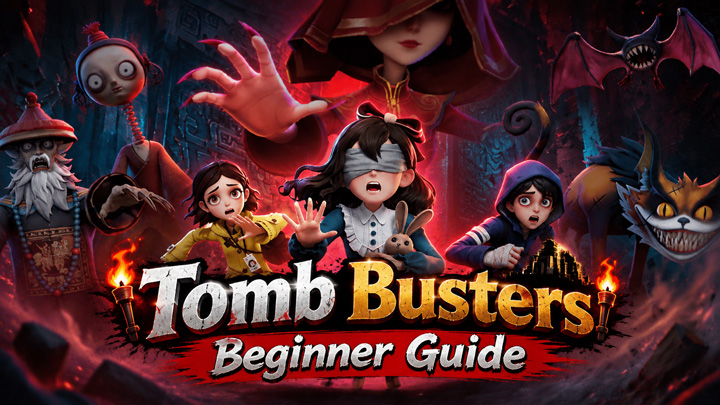
Tomb Busters is a cooperative horror extraction game that combines treasure hunting, dangerous ruins, supernatural enemies, and high-pressure escapes. Players enter cursed tombs to search for valuable relics, overcome traps and monsters, and return safely with their loot. Supporting up to four players, the game offers both solo exploration and chaotic team adventures. For beginners, success depends on more than finding treasure; learning to explore efficiently, manage carrying weight, recognize danger, and plan a safe escape is essential to surviving each expedition.
As you become more familiar with the game, understanding its progression systems and available purchasing options can also help you prepare for future adventures. If you're exploring Top Up Tomb Busters Aurion options on Z2U, compare available offers and check the supported regions, product details, and transaction requirements before purchasing. Meanwhile, mastering the fundamentals of exploration and survival will help you make better decisions and get more out of every run.
1. Understand the Core Gameplay Loop
Every expedition revolves around three basic actions: loot, survive, and extract. You enter a tomb, search for valuable items, respond to threats, and try to escape with your discoveries.
| Stage | Main Objective | Beginner Priority |
|---|---|---|
| Preparation | Choose suitable equipment and get ready | Bring useful tools rather than expensive gear |
| Exploration | Search rooms, corridors, and hidden areas | Learn the layout and locate valuable loot |
| Survival | Avoid traps and handle hostile creatures | Preserve health and maintain an escape route |
| Extraction | Return safely with collected items | Prioritize survival over additional treasure |
The important thing to remember is that finding valuable loot does not automatically mean you have succeeded. Your expedition only pays off when you manage to bring your discoveries back safely.
2. Prepare Before Entering a Tomb
New players often focus on weapons and damage while overlooking equipment that helps them navigate dangerous environments. However, exploration tools and good preparation can be just as important as combat strength.
Before starting a run, consider the following:
Bring appropriate equipment. Choose tools that suit your experience level and intended approach. Avoid risking expensive equipment while you are still learning basic mechanics.
Understand your character's abilities. Learn what your selected character can contribute to exploration, combat, or team support.
Check your available supplies. Make sure you understand how your equipment works and when it is useful.
Coordinate with teammates. If you are playing cooperatively, agree on how to communicate discoveries, respond to threats, and decide when to retreat.
Your first few runs should focus on learning rather than maximizing profits. Familiarity with the controls, map layout, and basic survival systems will make later expeditions more manageable.
3. Explore Methodically Instead of Wandering
Tombs can be confusing, especially when corridors branch into multiple rooms or lead to different levels. Random movement wastes time and makes it harder to remember the route back to safety.
A better approach is to explore in a consistent pattern.
Start by identifying nearby corridors, rooms, and possible routes forward.
Search accessible areas before moving too far into unfamiliar sections.
Pay attention to landmarks and intersections so you can retrace your steps.
Remember important locations, including dangerous rooms and routes you may need during extraction.
Avoid repeatedly crossing the same areas unless you have a clear reason to return.
Use scanning and navigation tools when available to identify useful objects, valuable loot, or routes. Randomized maps, traps, treasure, and monster encounters mean you should adapt to each expedition instead of relying on one fixed route.
4. Choose Loot Carefully and Manage Carrying Weight
One of the most important beginner lessons is that carrying more treasure is not always better. Heavy inventories can make movement and escape more difficult, increasing the danger of returning through monster-infested corridors.
Use this simple priority system:
High-value loot: Worth considering when the route is reasonably safe.
Useful supplies: Keep items that support survival or help you handle unexpected threats.
Low-priority items: Leave behind items that add little value when your inventory is already heavily loaded.
| Situation |
Recommended Decision |
|---|---|
| You have little loot and the area is safe | Continue exploring carefully |
| Your inventory is becoming heavy | Reassess which items are worth carrying |
| You have valuable loot and enemies are nearby | Consider returning toward safety |
| The extraction route is long or unfamiliar | Leave additional treasure behind if necessary |
The best strategy is to evaluate every pickup in terms of both its potential reward and the extra risk it creates. A smaller haul that reaches safety is more useful than a valuable inventory lost during a failed escape.
5. Survive Monsters and Environmental Threats
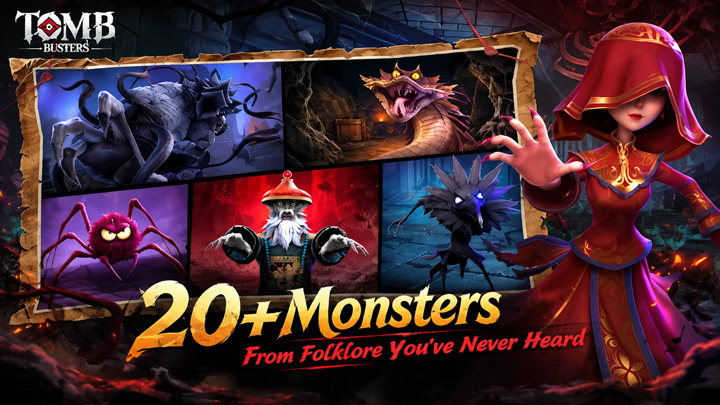
Combat is only one way to deal with danger. Sometimes avoiding an encounter is safer than trying to defeat everything you encounter.
When exploring unfamiliar rooms, pay attention to environmental clues, unusual sounds, blocked routes, and changes in visibility. Do not rush into an encounter simply because you want to reach a treasure chest.
Useful survival habits include:
Maintain distance when uncertain. Observe unfamiliar threats before committing to an attack.
Avoid fighting in confined spaces when possible. Limited room to maneuver can make it harder to escape danger.
Keep track of your surroundings. A nearby doorway or alternate route may be more valuable than dealing additional damage.
Conserve resources. Avoid spending all your useful supplies on minor encounters.
Retreat when necessary. Leaving a dangerous room is often the smartest decision, particularly when carrying valuable loot.
Enemy behavior and encounters can vary between runs, so avoid assuming that a strategy that worked once will always be safe.
6. Make Teamwork Count in Multiplayer
Tomb Busters supports groups of up to four players, so coordination can significantly improve the expedition experience. A team that communicates clearly can explore more efficiently and react to unexpected threats more effectively.
For a beginner-friendly team, try dividing responsibilities naturally:
Scout: Leads exploration and helps the group understand available routes.
Loot collector: Searches accessible areas and keeps track of valuable discoveries.
Combat support: Helps respond when the group encounters dangerous enemies.
Route coordinator: Reminds everyone of the way back and encourages timely extraction.
These are suggested responsibilities rather than mandatory character classes. Players can adjust them according to their characters, equipment, and team composition.
Communication matters most when something goes wrong. Tell teammates when you find valuable items, encounter danger, or need to change direction. Avoid separating unnecessarily, especially when nobody knows the surrounding area well.
7. Plan Your Extraction Before It Becomes Urgent
Extraction is where many beginner mistakes become expensive. Players may become distracted by one more room, one more chest, or one more valuable object, only to discover that returning safely is harder than expected.
Build an extraction plan early in every run:
Identify the route back toward the exit as you explore.
Check your inventory and condition periodically.
Stop searching when the potential reward no longer justifies the risk.
Begin returning before you feel forced to rush.
Stay together when possible and avoid unnecessary detours.
If your team has already collected worthwhile loot, do not treat every unexplored room as an obligation. Knowing when to leave is a core survival skill, not a sign that the expedition was unsuccessful.
8. Common Beginner Mistakes to Avoid
| Mistake | Why It Causes Problems | Better Approach |
|---|---|---|
| Exploring without a clear route | Makes navigation and returning difficult | Learn the layout gradually |
| Picking up everything | Adds unnecessary inventory weight | Prioritize valuable and useful items |
| Fighting every enemy | Wastes resources and increases exposure | Avoid unnecessary encounters |
| Ignoring teammates | Makes emergencies harder to manage | Communicate discoveries and threats |
| Waiting too long to extract | Leaves less time to return safely | Set a personal retreat threshold |
| Spending heavily before learning the game | Increases the cost of early mistakes | Start with practical, affordable equipment |
9. A Simple Strategy for Your First Few Runs
Do not try to master every mechanic at once. Instead, use a gradual learning plan.
First run: Learn navigation. Focus on movement, basic interactions, landmarks, and finding your way back.
Second run: Practice efficient looting. Compare items, manage carrying weight, and avoid unnecessary detours.
Third run: Improve survival. Observe enemy behavior, learn when to disengage, and preserve useful resources.
Later runs: Optimize your team. Coordinate roles, explore more confidently, and take calculated risks when the potential reward justifies them.
This approach builds reliable habits without requiring you to understand every system immediately.
Conclusion
Tomb Busters rewards players who balance curiosity with caution. Successful expeditions depend on more than collecting treasure; you need to navigate unfamiliar tombs, manage inventory weight, recognize danger, communicate with teammates, and know when to retreat. For beginners, the best strategy is to explore with a plan, collect loot selectively, and always keep an escape route in mind. Once these fundamentals become familiar, you can gradually tackle more dangerous areas and pursue greater rewards with confidence.
As you prepare for future expeditions, you can also explore Buy Tomb Busters Aurion options on Z2U to compare available offers. Review each listing carefully, paying attention to product details, compatibility, and transaction requirements before purchasing, so you can make an informed decision that suits your needs.









SUPPORT
LEGAL
Policies


 USD ($)
 English
 Help Center