



For those new to ice hockey video games, NHL 26 offers an exciting yet complex world of virtual sports action. Beginners can ease into the experience by starting with beginner-friendly modes and adjusting settings to create a low-pressure learning environment. Some players even choose to Buy NHL 26 Account to access pre-built teams and skip the initial grind, but understanding the game's fundamentals is essential for long-term success.
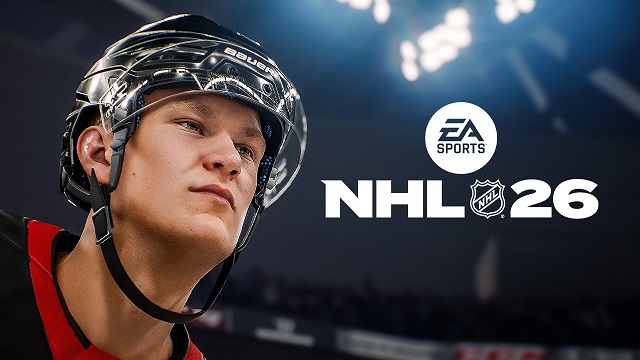
What are the Basic Rules and Objectives of NHL Hockey?
The primary objective in NHL hockey is straightforward: score more goals than your opponent by shooting the puck into their net while preventing them from doing the same to yours. A standard match consists of three 20-minute periods, with the clock stopping during whistles and pauses in play. If the game remains tied after regulation time, it proceeds to a five-minute overtime period followed by a shootout if necessary. Players must understand essential rules such as offsides (where attacking players cannot enter the offensive zone before the puck) and icing (when a player shoots the puck from behind the center line across the opponent's goal line without it being touched), as these infractions result in stoppages and faceoffs.
Physical play is an integral part of hockey, but NHL 26 enforces realistic penalties for illegal actions. Common penalties include tripping, slashing, high-sticking, and hooking, which result in the offending player spending time in the penalty box and creating a power-play advantage for the opposing team. Beginners should also understand the importance of faceoffs, which occur at the beginning of each period and after stoppages, as winning these contests provides valuable possession opportunities. Managing player fatigue is crucial since tired skaters become slower and less effective, requiring regular line changes to maintain optimal performance.
Which Game Modes Should a Beginner Start With?
1.Free Skate Mode
Free Skate is an ideal starting point for complete beginners as it removes all pressure from gameplay. This mode allows you to practice 1v1 against the goalie with no opponents, time limits, or performance expectations. Here, you can work on skating, puck control, shooting, and passing at your own pace, building muscle memory for essential controls without the stress of competition. It's the perfect environment to get comfortable with basic movements, test new moves, and develop core skills before advancing to more challenging modes.
2.Play Now Mode Against AI
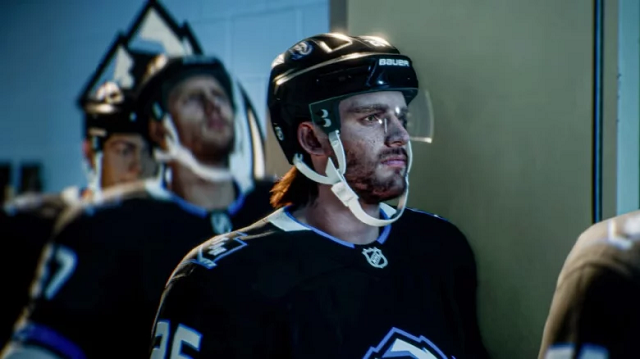
Once comfortable with basic controls, beginners should transition to Play Now mode against AI opponents. This offline mode allows you to jump into a full game with your choice of teams and settings. Lowering the difficulty to Rookie makes AI opponents slower and less aggressive, giving you more time to make decisions and learn crucial skills like positioning and timing. This mode provides a low-pressure way to explore different strategies and understand the flow of hockey without the intensity of online competition.
3.HUT Challenges and Squad Battles
Hockey Ultimate Team (HUT) offers beginner-friendly options despite being a more advanced mode. Squad Battles allow you to play a shortened NHL season against AI-controlled teams created by other players. You can choose low difficulty levels for each match and increase it as your skills improve. This mode provides progress and rewards based entirely on your performance without leaderboard pressure. Additionally, HUT Challenges offer specific objectives to complete while earning rewards, helping you learn game mechanics in structured scenarios.
What are the Essential Strategies for Success?
1.Mastering Player Positioning
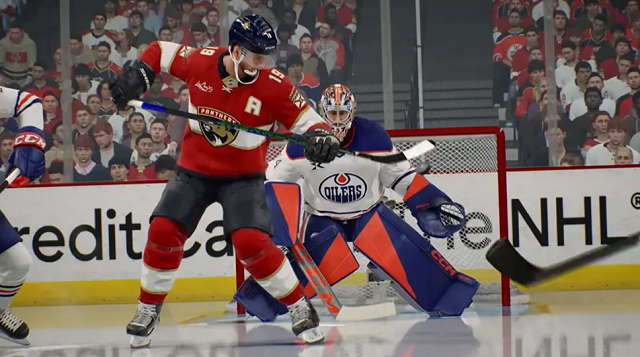
In NHL 26, good positioning is essential. On offense, spread out to open passing lanes and create scoring chances. On defense, stay between your opponent and the net while using vision control to face the play. Manage stamina by using short speed bursts instead of constant sprinting. Anticipate the play to stay one step ahead rather than only reacting.
2.Smart Puck Management
In NHL 26, smart puck possession is key. Avoid forcing shots and instead pass to open teammates for better scoring chances. Use wrist shots for accuracy, slap shots for power, and one-timers for quick releases. On defense, do not overuse poke checks or stick lifts since they can cause penalties if mistimed. Focus on positioning to block passes and shots instead of relying on big hits.
3.Strategic Line Management
In NHL 26, fatigue has a big effect on performance. Players who stay on the ice too long become slower, make mistakes, and hurt the defense. Keep shifts short at 30 to 45 seconds and use automatic line changes when learning. During power plays, keep possession and aim for quality shots instead of forcing chances. During penalty kills, clear the puck and block passing lanes. Change your strategy based on the score by forechecking more when behind and tightening defense when ahead.
4.Utilizing Custom Settings for Learning
NHL 26 lets beginners customize the game for an easier start. Use Quick Settings and choose "I Am New To Sports Gaming" to simplify controls and lower AI difficulty. You can also adjust sliders to slow the game, boost recovery, improve passing, and make puck control smoother. Switch the camera to Overhead or Zone view for better visibility, and turn on the On-Ice Trainer for helpful visual tips. These settings make learning the game more comfortable and beginner-friendly.
NHL 26 presents a rewarding hockey experience for beginners who approach it with patience and willingness to learn. By starting with appropriate game modes, mastering fundamental controls, and implementing basic strategies, new players can gradually develop their skills without frustration. As you progress, consider experimenting with different team compositions and special abilities, and for those looking to enhance their Hockey Ultimate Team experience without excessive grinding, various options exist to acquire Cheap NHL 26 Cards through legitimate channels. Remember that consistent practice and game knowledge ultimately prove more valuable than any single player card or team configuration.









SUPPORT
LEGAL
Policies






 USD ($)
 English
  Help Center